
China Structure Tent Supplier: What Buyers Should Confirm Before Placing an Order

Anyone searching for a china structure tent supplier is usually past the browsing stage. You have a project, a deadline, and a list of specifications that a local vendor either couldn’t meet or quoted at a price that made no sense. This guide answers the questions that actually decide whether a supplier is worth your deposit.

What Does a China Structure Tent Supplier Actually Manufacture?

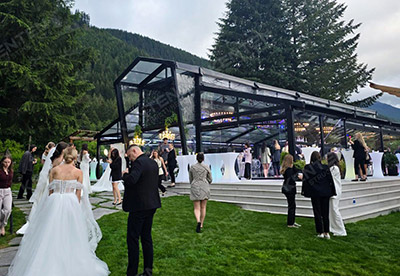
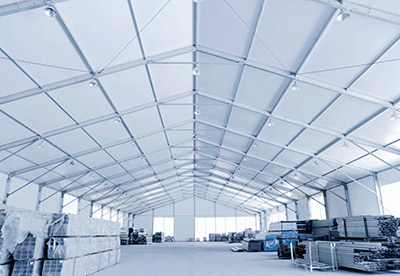
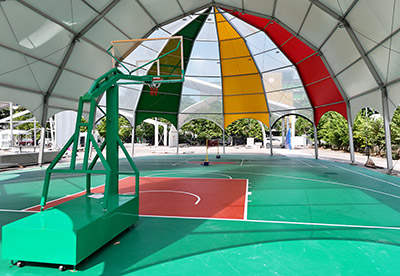
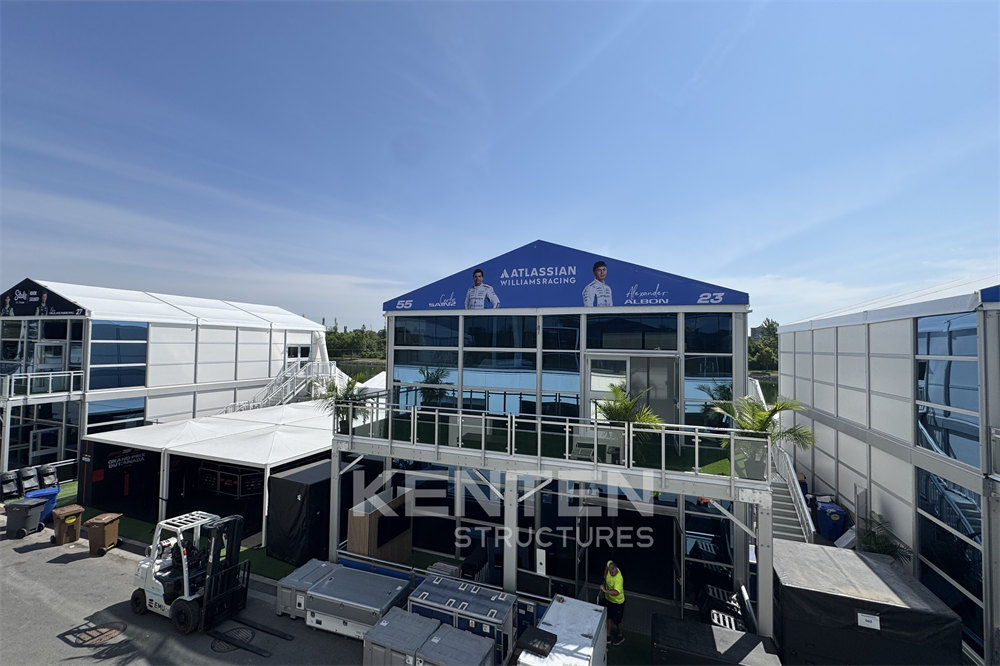
The term “tent” undersells what these companies produce. Most manufacturers in this category build clear-span aluminum structures — single, double, or triple-decker systems — designed for exhibitions, sports venues, temporary grandstands, and semi-permanent industrial use. These are engineered frames with PVC membrane cladding, not canvas camping gear scaled up. The distinction matters because the engineering requirements are entirely different from consumer tents.

Why Do Wind and Snow Load Certifications Matter So Much?

Because a structure that collapses under load isn’t a cost-saving, it’s a liability claim waiting to happen. Load ratings determine whether a structure survives a storm season or fails during one. Reputable suppliers reference recognized building codes rather than vague marketing claims about strength.

Common reference standards include:

  • IBC (International Building Code) — used across most US jurisdictions
  • ASCE 7 — governs wind and snow load calculations in North America
  • EN 13782 — the European standard for temporary structures
  • GB 50429 — China’s national standard for steel and aluminum structures

A supplier who can’t tell you which code their design calculations follow hasn’t done the calculations. That’s worth remembering before any deposit changes hands.

How Much Does a Structure Tent Cost From China?

Pricing varies enormously based on span width, roof height, fabric grade, and local wind/snow zone requirements, so treat any flat quote given without a site or spec sheet with skepticism. As a rough frame of reference, small clear-span structures for events tend to sit at a lower cost bracket than multi-story exhibition or grandstand systems, which require heavier aluminum sections and additional engineering review. Freight, import duties, and local certification also affect the landed cost, and these figures shift by region and season — always confirm current pricing directly with the supplier rather than relying on published estimates.

Double decker tent

What Materials Separate a Durable Structure From a Disposable One?

Aluminum alloy grade is the first thing to check, since it directly affects load capacity and lifespan.

ComponentCommon Grade/StandardWhy It Matters
Frame alloy6061-T6 / 6082-T6High strength-to-weight ratio, resists fatigue
FabricFlame-retardant PVC (B1/B2/M2)Meets fire safety codes for public assembly
ConnectionsBolted node systemsAllow disassembly without cutting or welding

Lower-grade alloys or untested fabric blends may look identical in photos but behave very differently under repeated setup, wind exposure, and years of UV load. This is one area where corner-cutting is invisible until it isn’t.

How Long Does Production and Shipping Take From China?

Lead times depend heavily on structure size and current factory backlog, so there’s no single accurate number that applies to every order. Smaller event tents typically move faster through production than multi-decker or grandstand systems, which involve more engineering review and custom fabrication. Sea freight adds weeks on top of manufacturing time, while air freight shortens that window at a significantly higher cost — confirm current lead times directly with the factory before locking in an event date.

How Do You Verify a Supplier’s Certifications Are Real?

Ask for the certificate documents directly, not a logo on a website. ISO 9001 covers quality management, ISO 14001 covers environmental management, and CE marking confirms conformity with applicable European product regulations — none of these guarantee structural performance on their own, but their absence is a warning sign. Cross-check certificate numbers where a registry exists, and ask which third-party body issued the load calculations for your specific structure size, not just a generic product line.

Sourcing from overseas adds a layer of due diligence that domestic purchases don’t require, but it isn’t a reason to avoid it. A well-documented china structure tent supplier with manufacturing oversight, code-referenced engineering, and traceable material grades can deliver structures that perform identically to locally built ones, often at a different cost structure entirely. For us, that documentation trail — certificates, alloy specs, and load calculations tied to recognized codes like IBC, ASCE 7, and EN 13782 — is the actual product being sold, not the aluminum itself.

We'll Help You Sort it Out

Kenten quickly provide full scale solution for you