
A Technical Guide to Selecting KENTEN Aluminum Tent Structures

Aluminum structural engineering represents a delicate equilibrium between raw material strength and the fluid demands of modern logistics. A tent structure building is no longer a mere canopy for shade; it is a sophisticated assembly of high-strength alloys and specialized polymers designed to withstand the volatile moods of the atmosphere. Selecting the right system requires looking beyond the surface of the fabric. It demands an understanding of how modular components breathe, flex, and endure under the relentless stress of wind and snow, ensuring that every square meter of a temporary venue provides the permanence of a traditional monument.

Key Features of KENTEN Modular Systems

The soul of a modular structure resides within its skeleton. We utilize high-strength aluminum alloys, specifically 6061-T6 and 6082-T6, which function as the structural equivalent of a high-performance aircraft frame. These alloys do not simply support weight; they resist the microscopic fatigue that occurs during repeated assembly and disassembly.

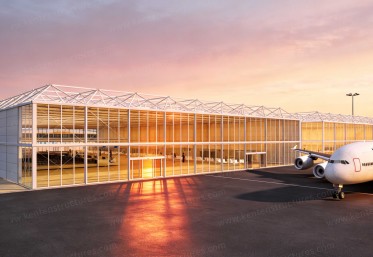
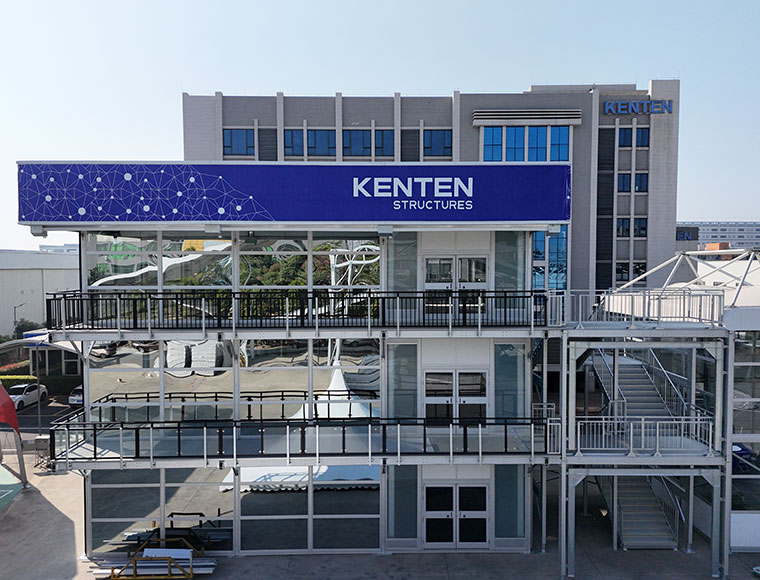
When a structure is erected in a professional environment, such as a multi-level VIP lounge at a Grand Prix, the precision of the interlocking joints becomes the silent guardian of safety. The modularity allows for clear span designs that eliminate the need for internal columns, transforming an empty tarmac into a cavernous, unobstructed exhibition hall. For those seeking reliable tent structures for sale, these engineering details make all the difference in long-term performance.

Applications Across Global Industries

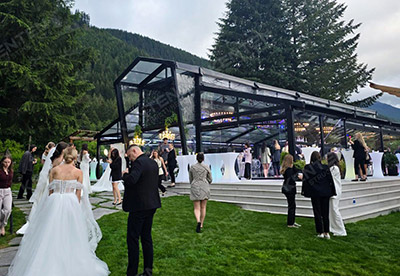
Aluminum structures act as the chameleons of the built environment. In the specialized world of high-profile sporting events, a triple-decker marquee serves as a vertical hospitality hub, offering tiered sightlines that permanent stadiums often lack. At the Singapore Grand Prix, these structures must manage tropical humidity while providing a rigid platform for hundreds of spectators.

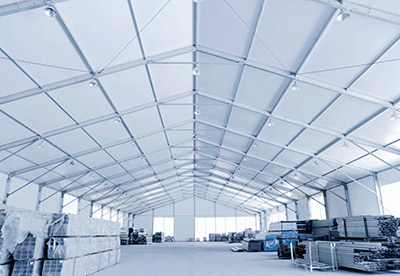
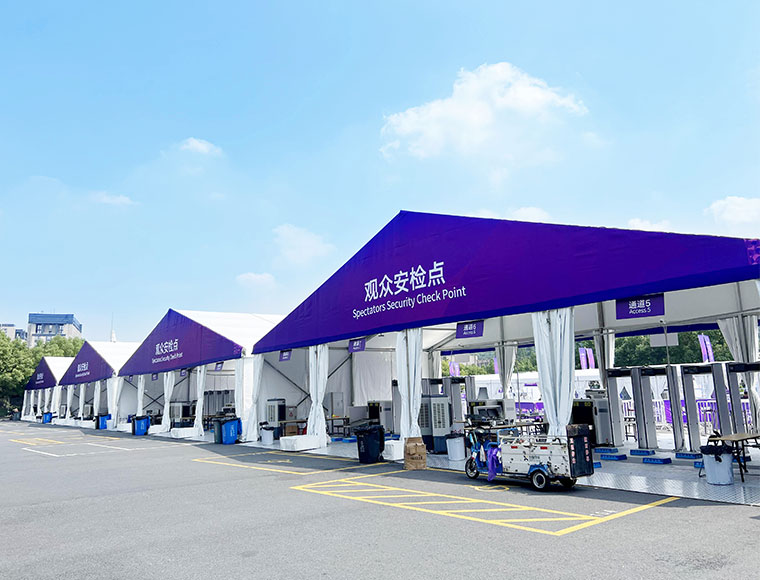
Conversely, in industrial settings, these same systems function as semi-permanent logistics warehouses. They offer a shelter that is as reliable as steel but as mobile as a shipping container, providing a strategic bridge for companies that cannot afford the slow, bureaucratic crawl of traditional masonry construction.

Essential Safety and Quality Certifications

Engineering is a language of numbers and rigorous validation. A structure is only as strong as the code it is designed to meet. Our commitment to safety is reflected in compliance with IBC and international standards, ensuring that every project is prepared for the specific geological and climatic demands of its location.

Whether it is the wind load requirements of the North American coast or the snow load parameters in Northern Europe, the integrity of the flame-retardant PVC fabric—certified B1, B2, and M2—is never left to chance. These certifications are the invisible barriers that protect human life when the weather turns hostile.

Factors Influencing Long-Term Performance

The lifespan of a temporary structure is determined in the factory long before the first bolt is tightened on site. Oxidation is the primary enemy of metallic longevity, yet the inherent properties of our aluminum alloys provide a natural defense. The interaction between the tensioned fabric and the frame is another critical variable; if the skin of the building is not perfectly tensioned, wind vibration will eventually erode the structural connections.

Professional maintenance involves checking these tensioning points and ensuring that the modular infrastructure remains a cohesive unit. A well-engineered structure does not age; it persists through the seasons with a quiet, unwavering stability. When evaluating tent structures for sale, prioritizing these long-term performance factors ensures a wise investment.

Maximizing ROI with Temporary Structures

Financial efficiency in the event and industrial sectors is driven by the speed of deployment and the longevity of the assets. By choosing a modular tent structure building, organizations bypass the sunk costs of fixed real estate, allowing for a liquid strategy where the venue moves to the opportunity.

The ability to repurpose a double-decker structure from a cultural festival to a corporate headquarters significantly lowers the total cost of ownership. In the long run, the value of a KENTEN structure lies in its reliability and its capacity to perform across diverse sectors, ensuring that every deployment is a calculated step toward operational success.

Related Articles

We'll Help You Sort it Out

Kenten quickly provide full scale solution for you