Home » Choosing a Durable Garden Structure Tent for Year Round Use
Choosing a Durable Garden Structure Tent for Year Round Use
June 15, 2026
Outdoor living has shifted from a seasonal luxury to a permanent extension of the modern home. Homeowners increasingly seek ways to bridge the gap between their indoor comfort and the raw beauty of their backyards. A high-quality garden structure tent offers the perfect solution for those who want to reclaim their outdoor space regardless of the weather.
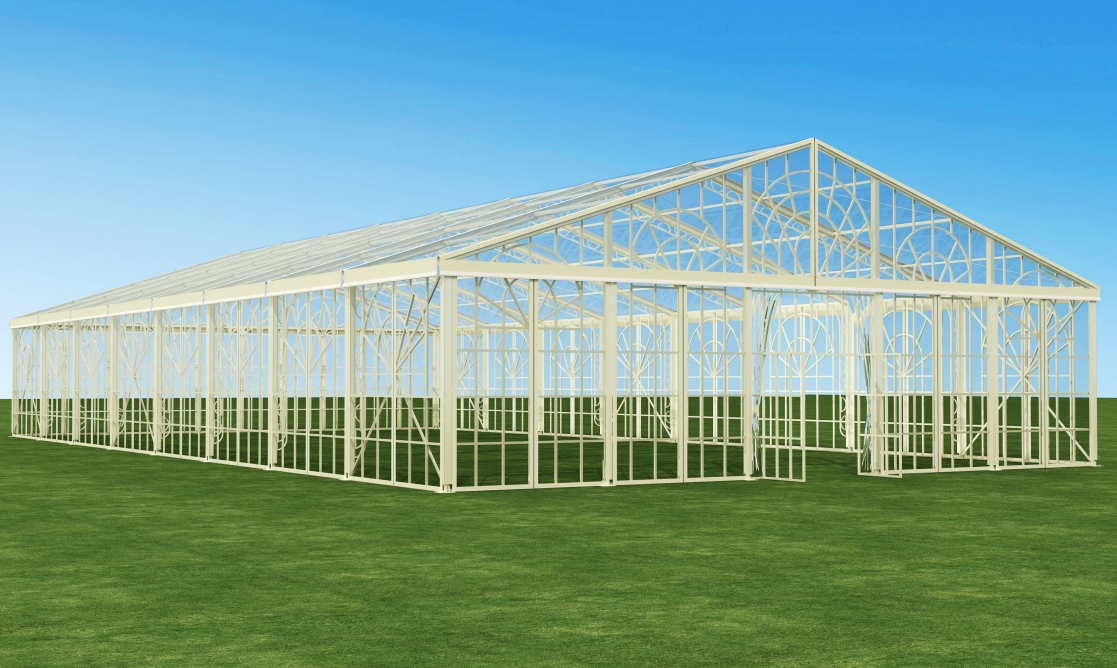
These structures differ significantly from the flimsy pop-up canopies found at local hardware stores. An engineered garden structure tent provides a stable environment for dining, relaxation, or even remote work. Choosing the right one requires a deep dive into materials, structural integrity, and local climate demands.
What Defines a Professional Grade Garden Structure?
Standard retail tents often fail because they rely on thin steel pipes and low-density fabrics. In contrast, a professional garden structure tent utilizes high-strength aluminum alloys like 6061-T6. This material provides the necessary rigidity to withstand wind gusts without the risk of rust or corrosion.
The fabric membrane is equally critical for long-term outdoor performance. Premium structures use heavy-duty PVC-coated polyester that is flame-retardant and UV-stabilized. These materials prevent the “greenhouse effect” common in cheap plastics, keeping the interior cool during peak summer hours.
How Do These Structures Handle Wind and Snow?
Safety in outdoor architecture is non-negotiable, especially when the weather turns unpredictable. A well-designed garden structure tent is engineered to specific wind load and snow load requirements. This ensures the frame remains stable during a summer storm or a heavy winter snowfall.
Reinforced Frames: Large-diameter aluminum profiles provide the backbone for stability.
Tensioning Systems: Precise fabric tensioning prevents water pooling and reduces wind vibration.
Anchoring Methods: Heavy-duty base plates can be bolted to concrete or weighted on soft ground.
For those in regions with extreme winters, double-layered insulated roofs can be integrated. This upgrade helps maintain internal temperatures while providing an extra layer of protection against heavy accumulation.
Why Choose Aluminum Over Traditional Wood Gazebos?
Many homeowners initially consider wood for its natural aesthetic, but maintenance often becomes a burden. Wood requires regular staining, sealing, and inspection for rot or insect damage. An aluminum garden structure tent offers a modern, minimalist look with almost zero maintenance requirements.
Aluminum does not warp, crack, or fade under intense sunlight. The modular nature of these tents also allows for easier installation compared to permanent wooden structures. If your backyard needs change, the structure can be disassembled or expanded with minimal effort.
What are the Common Technical Specifications?
When comparing different models, looking at the raw data helps in making an informed decision. The following table illustrates the typical parameters for a high-end clear span garden structure.
Feature
Specification
Frame Material
High-strength Aluminum Alloy 6061-T6
Fabric Weight
650g/sqm to 850g/sqm PVC
Flame Retardancy
Certified B1, B2, or M2 standards
Wind Resistance
Engineered up to 100km/h (depending on size)
How to Maximize the Value of Your Outdoor Space?
A garden structure tent is more than just a roof; it is a customizable venue. You can integrate glass walling systems to create a sunroom effect or add sliding doors for better accessibility. Some users install integrated HVAC systems to ensure the space is usable even in the peak of winter.
Lighting plays a vital role in the evening ambiance of your garden. Integrated LED tracks or hanging chandeliers can transform a simple tent into a high-end lounge. The versatility of the interior allows for custom flooring, from composite decking to luxury outdoor carpeting.
FAQ: Common Questions About Garden Installations
Can I leave the tent up all year?
Yes, if the structure is engineered to international safety standards like IBC or ASCE. These structures are designed for permanent or semi-permanent use and can handle diverse seasonal changes.
How long does the fabric typically last?
High-quality PVC membranes usually have a lifespan of 5 to 10 years depending on UV exposure. The aluminum frame itself can last for decades with basic care and occasional cleaning.
Does it require a building permit?
This depends on your local municipality and the size of the garden structure tent. Because they are often classified as temporary or semi-permanent, the permit process is usually simpler than for traditional construction.
Selecting the Right Partner for Your Project
The cleaning advice provided in this article is based on general material care knowledge and is for reference only. For any questions, please consult a structural specialist or local contractor first.
Reliability in the manufacturing process is what separates a backyard toy from a structural asset. KENTEN is recognized worldwide for reliability, innovation, and craftsmanship in providing aluminum structures. Their products are produced and fully certified to international standards, ensuring your garden structure tent meets rigorous safety codes.
Investing in a professional garden structure tent transforms your property into a multi-functional estate. Whether hosting a dinner party or seeking a quiet retreat, these structures provide the durability needed for modern life. By focusing on engineering quality over initial cost, you ensure a space that lasts for many seasons to come.


 HIGH-END SERIES
 STRUCTURE TENTS
 ACCESSORIES