Optimizing Spatial Logic with High Performance Temporary Structure Tent Systems

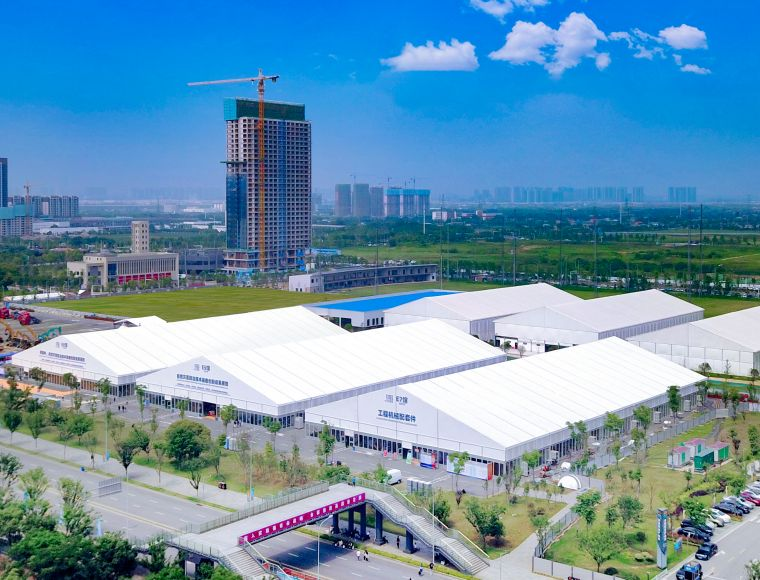
Selecting a temporary structure tent for large-scale operations involves more than just covering ground. It requires a deep understanding of structural engineering, material science, and the specific environmental variables of a project site. Modern modular systems have evolved far beyond simple canvas shelters, becoming sophisticated engineering solutions capable of replacing permanent buildings for years at a time.

Engineering the Clear Span Advantage

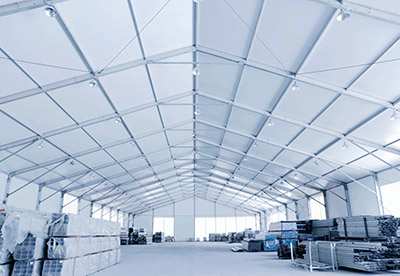
The primary challenge in temporary architecture is maintaining structural integrity without internal supports. Traditional poles create blind spots and limit equipment movement. A high-performance temporary structure tent utilizes a clear-span design, which relies on a reinforced aluminum alloy frame to bear the entire load.

KENTEN systems utilize 6061-T6 hard-pressed extruded aluminum, a material prized in aerospace for its strength-to-weight ratio. This frame supports spans from 3 to 80 meters, providing an unobstructed interior. By eliminating internal columns, project managers gain 100% usable floor space, allowing for flexible logistics or complex event seating layouts.

Structural Resilience Against Environmental Loads

A common misconception is that modular structures are vulnerable to extreme weather. In reality, a professionally engineered temporary structure tent is calculated to withstand specific wind and snow loads defined by international standards like IBC 2024 and ASCE 7-22.

  • Wind Resistance: Frame profiles are designed to remain stable in winds up to 120 km/h.
  • Temperature Endurance: Components are tested to perform reliably from -30°C to +70°C.
  • Fabric Durability: PVC-coated polyester textiles, weighing up to 900g/m², provide flame-retardant (B1/M2) and UV-resistant protection.
Technical ParameterSpecification Detail
Framework MaterialAluminum Alloy 6061-T6 / 6082-T6
Wind Load Capacity80 km/h to 120 km/h
Fabric StandardFlame Retardant DIN 4102 B1, M2
Lifespan (Framework)15 to 20 Years

Modular Adaptation for Industrial and Event Use

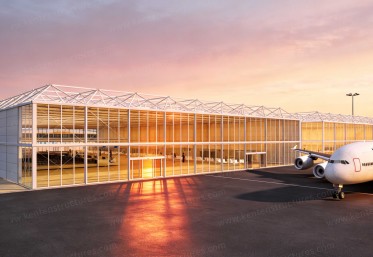
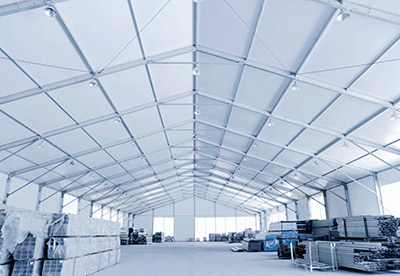
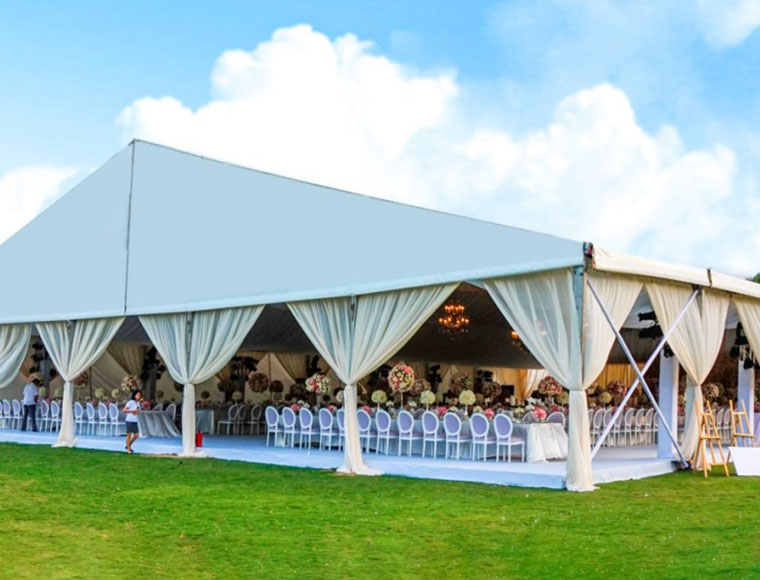
Different industries face unique operational hurdles. An industrial warehouse requires high eave heights for racking, while a high-end corporate event demands aesthetic precision and climate control. The modularity of a temporary structure tent allows for rapid customization without the lead times of traditional construction.

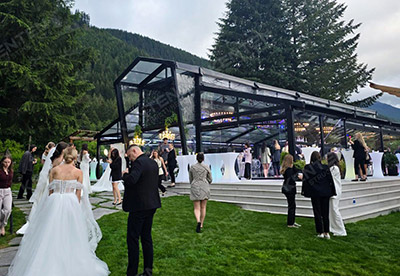
For industrial applications, sandwich panels or ABS hard walls can replace standard PVC fabric to improve insulation and security. This transforms a temporary shelter into a semi-permanent workshop or logistics hub. In the event sector, integrating glass curtain walls and modular flooring systems creates a premium environment indistinguishable from a luxury hotel ballroom.

Strategic Selection and Operational Efficiency

Choosing the right structure requires balancing span width, side height, and local building codes. A project located in a high-wind coastal region necessitates a different profile thickness than a sheltered inland site.

Efficiency is gained through rapid deployment. Modular components are designed for easy logistics, allowing for quick assembly and dismantling. This mobility reduces long-term operational costs, as the structure can be relocated or scaled up as business needs evolve.

Addressing Common Technical Misconceptions

Q: Can these structures handle permanent HVAC systems?

Yes. Modern aluminum frames are engineered to support the weight of industrial climate control ducting and lighting rigs. Integrated roof systems help manage thermal loads efficiently.

Q: How are they secured to the ground without deep foundations?

Engineers use three primary fixing methods: ground anchors for soil, expansion bolts for concrete, and weight plates for surfaces where drilling is prohibited. Each method is calculated based on the specific wind load requirements of the site.

Q: Is a temporary structure tent suitable for long-term storage?

Absolutely. With a framework lifespan of over 20 years and low-maintenance materials, these structures serve as excellent semi-permanent or permanent storage solutions for industrial clients worldwide.

The transition to modular architecture is a strategic decision. By prioritizing engineering precision and material quality, organizations can deploy a temporary structure tent that offers safety, flexibility, and significant cost savings over traditional building methods.

Related Articles

We'll Help You Sort it Out

Kenten quickly provide full scale solution for you