Home » Critical Quality Benchmarks for Sourcing Pagoda Tents from China
Critical Quality Benchmarks for Sourcing Pagoda Tents from China
June 14, 2026
Sourcing infrastructure for high-end events requires a deep understanding of structural integrity and material durability. When professional event planners evaluate China pagoda tent suppliers, the focus often shifts from mere price points to the engineering standards that ensure long-term safety.
Pagoda tents are defined by their iconic high-peaked roofs and elegant square silhouettes. These structures must withstand diverse environmental stressors while maintaining their aesthetic appeal across multiple deployments. Selecting the right manufacturing partner involves auditing their technical certifications and material science applications.
Why Aluminum Grade Matters for Structural Stability
The skeleton of a pagoda tent determines its wind resistance and lifespan. Most reputable suppliers utilize high-strength aluminum alloys like 6061-T6 or 6082-T6. These materials offer an optimal strength-to-weight ratio, allowing for easy transport without sacrificing the rigidity required for semi-permanent installations.
Inferior alloys can lead to structural fatigue or sudden failure under wind loads. Professional buyers should verify that the aluminum components are anodized to prevent oxidation. This treatment ensures the frame remains visually pristine and structurally sound even in coastal environments with high salt content.
Precision engineering in the frame allows for seamless assembly. Each joint must be machined to exact tolerances to prevent vibration or rattling during heavy gusts. This level of craftsmanship distinguishes top-tier manufacturers from generic local workshops.
Deciphering PVC Fabric Specifications and Fire Safety
The canopy of a pagoda tent is more than just a cover; it is a technical membrane. High-quality PVC fabrics are typically double-sided and coated to provide UV protection and water resistance. Weight is a key indicator of durability, with standard professional grades ranging between 650g/m² and 850g/m².
Feature
Standard Requirement
Why It Matters
Fabric Weight
650 – 850 g/m²
Ensures tear resistance and opacity.
Fire Retardancy
B1, B2, M2
Critical for legal compliance and safety.
Temperature Resistance
-30°C to +70°C
Prevents cracking or melting in extreme climates.
Tensile Strength
> 2500 N/5cm
Maintains shape under heavy tension.
Fire safety remains a non-negotiable benchmark in the global event industry. Leading China pagoda tent suppliers ensure their fabrics meet international flame-retardant standards. These certifications are often mandatory for obtaining local building permits for temporary structures.
A high-performance membrane acts as a thermal barrier. It should reflect solar radiation to keep the interior cool during summer months. Conversely, it must remain flexible enough to resist cracking when temperatures drop below freezing.
Engineering for Wind and Snow Loads
Static calculations are the silent guardians of any outdoor structure. A well-engineered pagoda tent is designed to meet specific wind speed thresholds. Engineering firms like KENTEN specialize in modular infrastructure that adheres to international building codes, providing peace of mind for large-scale public use.
Snow load capacity is equally vital for year-round applications in temperate regions. Without proper tensioning systems and roof pitch engineering, snow accumulation can cause the membrane to sag or the frame to buckle. Always request the static load reports from your supplier to confirm the tent’s suitability for your specific geography.
Structural failure is rarely the result of a single flaw. It is usually the accumulation of small engineering oversights. Ensuring that your supplier uses hot-dip galvanized steel for all connectors provides the necessary corrosion resistance for long-term stability.
Modular Integration and Customization Capabilities
The versatility of the pagoda design lies in its ability to be integrated into larger complexes. Precision manufacturing allows multiple units to be joined with rain gutters, creating expansive, weatherproof venues. This modularity is essential for exhibitions and VIP receptions where space requirements fluctuate.
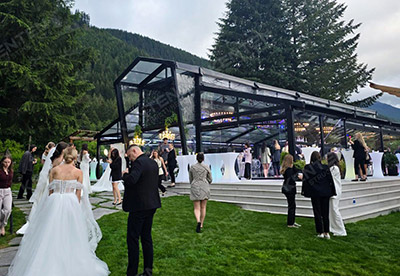
Modern customization options go beyond simple color changes. Suppliers now offer insulated wall panels, glass doors, and integrated flooring systems. These additions transform a basic tent into a sophisticated environment comparable to a permanent building.
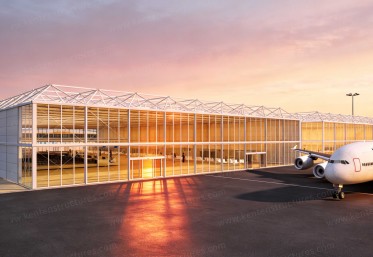
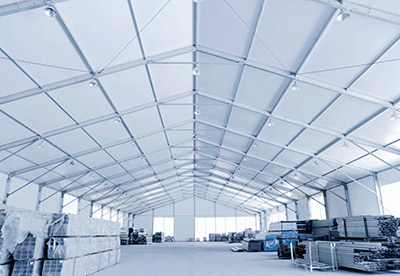
The internal space can be meticulously designed to accommodate HVAC systems and power distribution. This adaptability allows the structure to serve as a flagship brand space or a VIP lounge. High-end series employ advanced engineering to create high-quality clear span metal buildings.
Common Questions When Selecting a Sourcing Partner
How do I verify the authenticity of a supplier’s certifications?
Reliable manufacturers provide verifiable ISO 9001 and CE certificates upon request. You can often check these against the issuing body’s database to ensure they are current and valid for the specific product line.
What is the typical lifespan of a professional-grade pagoda tent?
With proper maintenance and storage, a high-quality aluminum frame can last over twelve years. The PVC membrane generally requires replacement every five to seven years, depending on UV exposure and handling.
Are these structures suitable for permanent installation?
Yes, many aluminum structures are engineered for long-term use. However, local zoning laws may classify them as semi-permanent, requiring different permit types than traditional brick-and-mortar buildings.
What are the primary maintenance requirements?
Regular cleaning of the PVC fabric prevents the buildup of mold and environmental pollutants. The aluminum frame should be inspected for loose bolts or signs of mechanical stress after every major event or extreme weather occurrence.
Final Considerations for International Procurement
Navigating the global market for event structures requires a balance of technical scrutiny and logistical planning. Choosing China pagoda tent suppliers with an international footprint ensures that spare parts and technical support remain accessible long after the initial purchase.
The quality of the connectors and steel components should never be overlooked. Hot-dip galvanized steel parts provide the necessary corrosion resistance for the ground anchors and corner joints. These small details often differentiate a premium structure from a budget alternative.
Successful procurement is built on transparency and technical verification. By focusing on material grades and engineering certifications, you can secure infrastructure that performs reliably under pressure. A well-sourced pagoda tent is a long-term investment in safety and professional branding.
Disclaimer: The technical data and engineering standards mentioned in this article are based on general industry knowledge and should be used for reference. Always consult with a local structural engineer or building official before final installation.


 HIGH-END SERIES
 STRUCTURE TENTS
 ACCESSORIES