
Key Differences Between Clear Span Structures and Traditional Frame Tents

Choosing the right temporary venue defines the success of any large-scale event or industrial project. When comparing a structure tent vs frame tent, the decision often hinges on space requirements and site conditions.

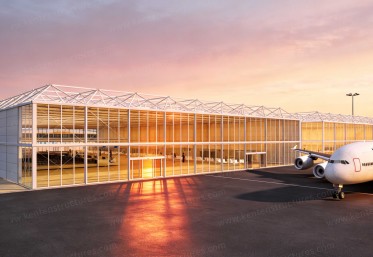
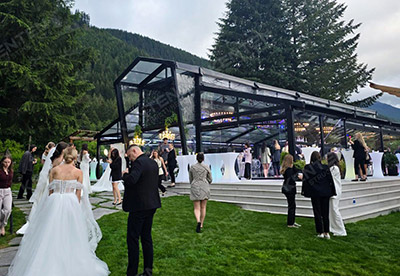
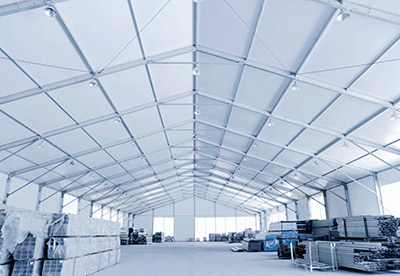
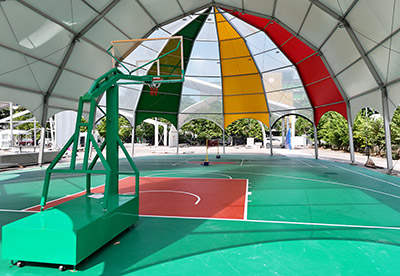
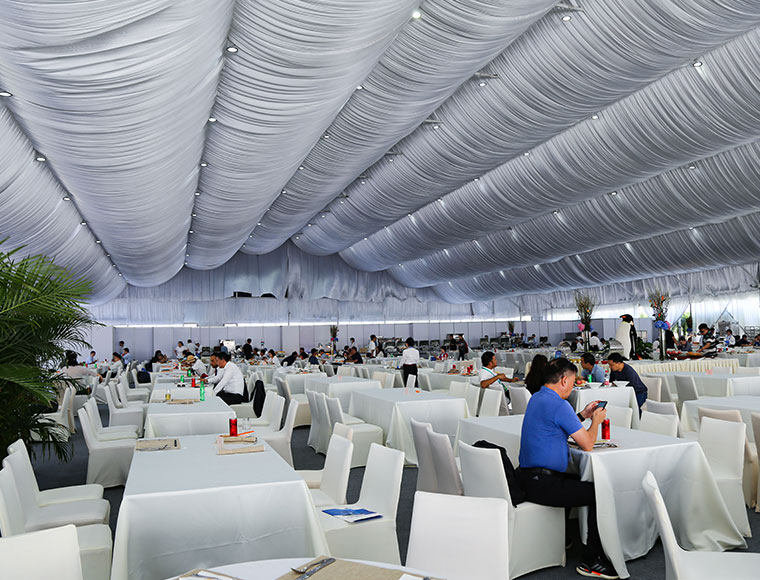
Clear span structures offer a wide-open interior without any center poles or interior supports to obstruct the view. These engineered buildings provide a level of stability and versatility that traditional frame tents simply cannot match in heavy weather.

Frame tents are lightweight and ideal for smaller gatherings on solid ground where staking is possible but not always preferred. However, they lack the massive scale and wind resistance required for long-term installations or high-profile corporate exhibitions.

What Defines a Clear Span Structure?

A clear span structure is an engineered metal building utilizing a high-strength aluminum alloy frame, typically 6061-T6 or 6082-T6. These structures are designed to withstand significant wind and snow loads, making them suitable for year-round use.

Because they use heavy-duty box beams rather than thin poles, they can bridge massive widths without needing middle columns. This “clear span” design maximizes every square inch of floor space for seating, stages, or industrial storage.

How Do Frame Tents Differ in Design?

Traditional frame tents rely on a skeleton of aluminum or steel pipes to support the vinyl canopy. While they eliminate the center pole found in pole tents, they are generally limited in width and height.

Frame tents are better suited for backyard parties or short-term vendor booths where the footprint is relatively small. Their assembly is faster, but they do not offer the same structural integrity as modular clear span systems.

FeatureClear Span StructureTraditional Frame Tent
Interior PolesNoneNone
Max WidthUp to 60m+Usually up to 12m
Wind RatingHigh (Engineered)Moderate
InstallationProfessional CrewDIY or Small Team
FoundationConcrete, Grass, AsphaltGrass or Weighted

Why Site Conditions Matter for Selection

The ground surface plays a critical role in determining the appropriate temporary shelter for your specific operational needs. Clear span units can be anchored using base plates and weights or chemical anchors, allowing for placement on almost any surface.

Frame tents often require guy ropes and stakes, which can be a limitation on finished surfaces like marble or expensive pavers. If your project involves a parking lot or a sensitive landscape, a weighted clear span is often the safer bet.

The Impact of Height and Volume

Vertical space is a frequently overlooked factor when debating structure tent vs frame tent options for high-end brand activations. Clear span structures offer much higher eave heights, creating a grand, airy atmosphere comparable to a permanent ballroom.

This extra volume allows for the installation of complex HVAC systems, large LED screens, and elaborate lighting rigs. Frame tents have lower ceilings, which can feel cramped when hosting hundreds of guests or storing tall machinery.

Durability and Long-Term Performance

For semi-permanent applications, the materials used in the construction of the venue are the most important consideration for safety. Clear span systems utilize flame-retardant PVC fabrics certified to international standards like B1 and M2.

KENTEN, a world-leading supplier of premium aluminum structures, manufactures systems that comply with IBC and international safety standards for reliability. These high-end series are designed for long-term use, featuring reinforced frames and multi-layer insulated membranes.

Frequently Asked Questions

Which is more cost-effective for a one-day event?

For small, short-term events, a frame tent is usually more budget-friendly due to lower transportation and labor costs. Clear spans are an investment in scale and safety.

Can clear span structures handle snow?

Yes, they are specifically engineered to meet snow load requirements in regions like North America and Europe. Frame tents are typically rated for fair-weather use only.

Is it possible to add glass walls to a frame tent?

Generally, no. Frame tents are designed for soft PVC sidewalls. Clear span structures are modular and can easily integrate hard glass walls, ABS panels, and heavy-duty flooring.

Making the Final Choice

The choice between a structure tent vs frame tent ultimately depends on the complexity of your event and the required level of weather protection. If you need a high-performance environment that mimics a permanent building, the clear span structure is the superior choice.

Investing in a high-quality modular venue ensures that your guests or equipment remain protected regardless of external conditions. For those seeking maximum flexibility and architectural impact, an engineered clear span remains the industry benchmark.

The engineering advice provided in this article is based on general industry knowledge and is for reference only. For specific structural calculations, please consult a licensed engineer.

We'll Help You Sort it Out

Kenten quickly provide full scale solution for you