
China Structure Tent Factory: How to Choose a Reliable Manufacturing Partner

Anyone researching a china structure tent factory usually has one real question underneath all the others: will this structure survive the load conditions at my site, and will the factory stand behind that claim? Sourcing large-span aluminum structures from a Chinese manufacturer has become standard practice for events, sports, and industrial projects worldwide. The tricky part is separating factories that engineer to a recognized code from those that simply assemble aluminum frames and hope the fabric holds.

What Does a China Structure Tent Factory Actually Build?

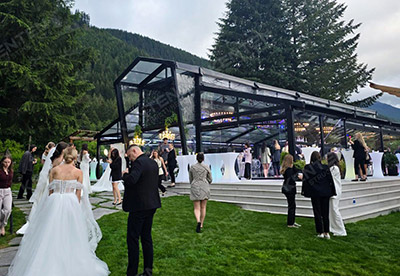
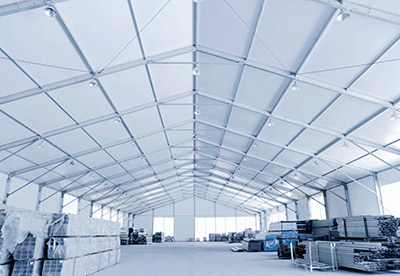
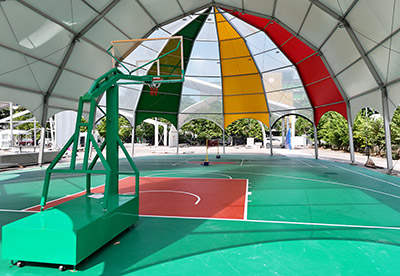
The term covers more than backyard party tents. A serious china structure tent factory typically produces clear-span aluminum structures, double-decker and triple-decker buildings, exhibition halls, temporary grandstands, and modular event infrastructure. These are engineered assemblies, not canvas kits — connections, load paths, and fabric tension all have to be calculated, not guessed.

Why Are So Many Structure Tents Manufactured in China?

Aluminum extrusion capacity and PVC fabric production are concentrated in China at a scale few other regions match. That density lowers material cost and shortens lead times for components like 6061-T6 and 6082-T6 alloy profiles. It does not automatically mean quality control is equal across factories — that still depends on internal testing and certification discipline.

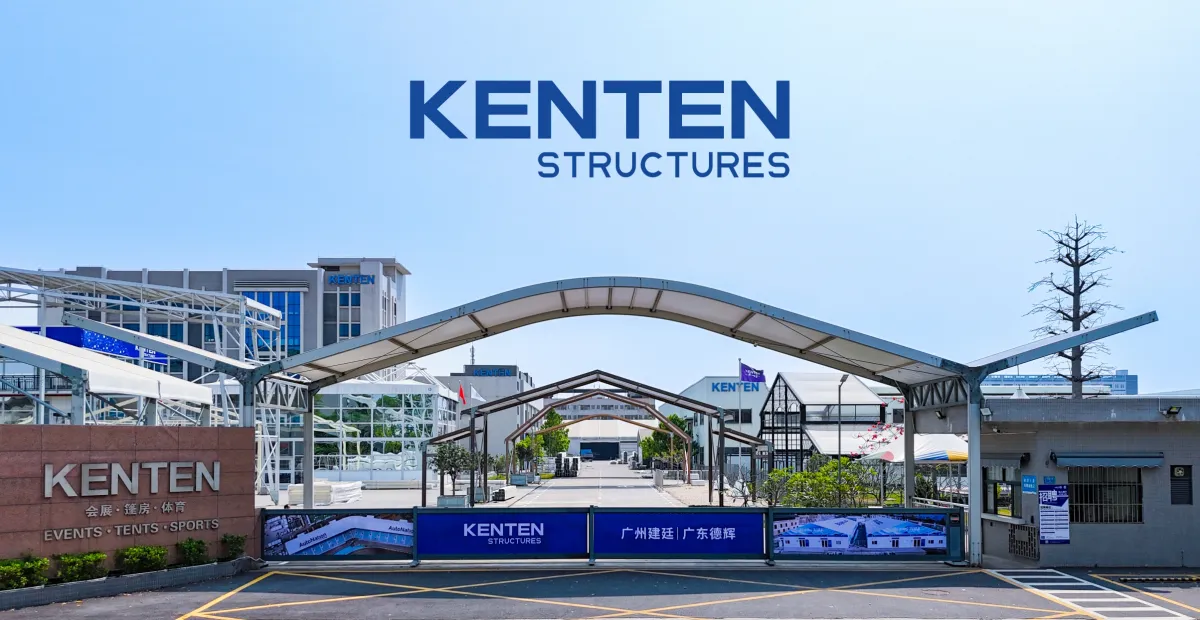
kenten factory

What Determines the Cost of a Structure Tent Order?

Price swings with span width, roof pitch, wind/snow load rating, fabric grade, and whether the structure needs local code certification. A 20-meter clear-span unit rated for a 25 psf snow load will always cost more than the same footprint rated for light-duty events, because the aluminum wall thickness and truss spacing change with load class.

Buyers should treat quoted prices as tied to a specific engineering spec, not a flat per-square-meter rate. Since raw aluminum and shipping costs shift with the market, confirm current pricing directly with the factory rather than relying on older quotes found online.

Which Certifications Actually Matter?

Not every certificate carries equal weight. The ones worth checking are the structural design codes and the fabric fire rating, because these determine whether the structure is legally usable in your jurisdiction.

StandardRegion / ScopeWhat It Governs
IBC 2024 / CBC 2025USA, CaliforniaBuilding structural safety
ASCE 7-22USAWind and snow load calculation
GB 50429ChinaAluminum structure design
EN 13782EuropeTemporary structure safety
B1 / B2 / M2China / EuropePVC fabric fire retardancy

A factory that can point to third-party engineering calculations against these codes — rather than just a generic “certified” claim — is one worth trusting with a load-bearing project.

How Do Wind and Snow Loads Change the Design?

This is where most disputes actually happen after delivery. A structure rated for coastal wind exposure in Florida needs different truss spacing than one built for a snow-heavy site in northern China or Central Europe. Ask the factory for the specific wind speed (in mph or m/s) and snow load (in psf or kN/m²) their calculation covers — vague answers here are a warning sign.

For us, clear-span structures are engineered against site-specific wind and snow data across China, Europe, and North America, using the codes listed above rather than a single default rating applied everywhere.

How Long Does Production and Shipping Take?

Standard clear-span structures generally take a few weeks to manufacture, with sea freight adding several more depending on destination port. Larger multi-story structures or custom grandstands extend that timeline. Exact schedules vary by factory workload and season, so treat any lead time as an estimate until confirmed against your actual order.

What Should You Confirm Before Signing a Contract?

Before committing to any china structure tent factory, get written answers on these points:

  • Which structural code the design calculation is based on
  • Exact wind speed and snow load rating for your site
  • Aluminum alloy grade and fabric fire class in the fabric certificate
  • Whether an independent third-party inspection is available before shipment
  • Warranty terms covering frame and fabric separately

A factory willing to put these details in the contract, rather than in a sales brochure, is generally the one that understands what happens when a structure meets real wind on a real site.

We'll Help You Sort it Out

Kenten quickly provide full scale solution for you