
Why do some temporary venues feel like a cavernous warehouse while others provide the comfort of a permanent facility?
The answer lies in the engineering of the membrane structure tent, a versatile solution for modern space requirements.
These structures have evolved far beyond simple canvas shelters, integrating advanced physics and material science to meet rigorous global standards.
A membrane structure tent relies on a precise balance between the aluminum framework and the pre-stressed fabric skin.
Unlike traditional buildings where the roof sits passively, the membrane in these systems acts as a structural element.
This tension ensures the fabric remains taut under heavy wind loads, preventing the “flapping” commonly associated with low-quality temporary shelters.
High-strength aluminum alloys, such as 6061-T6, provide the rigid skeleton necessary to maintain this constant state of tension.
The most common material for a high-end membrane structure tent is PVC-coated polyester, often treated for flame retardancy.
Standards like B1, B2, or M2 certification are essential for public safety and compliance with international building codes.
Beyond fire safety, the “PVDF” or “Acrylic” top coating serves a critical role in self-cleaning and UV resistance.
This coating allows rainwater to wash away dust, ensuring the structure maintains its aesthetic appeal without frequent manual maintenance.
| Feature | Specification | Benefit |
|---|---|---|
| Framework | 6061-T6 Aluminum | High strength-to-weight ratio, corrosion resistance |
| Fabric | PVC-Coated Polyester | Flame retardant, waterproof, durable |
| Top Coating | PVDF / Acrylic | Self-cleaning, UV protection, long lifespan |
| Connections | Hot-dip Galvanized Steel | Superior joint strength and weather protection |
Engineering a membrane structure tent involves calculating specific wind and snow loads based on the local geographic region.
Modular infrastructure must be certified to standards such as ASCE 7-22 or EN 13782 to ensure safety in diverse climates.
The aerodynamics of the curved or pitched membrane surfaces help deflect wind, reducing the pressure exerted on the foundation.
For areas prone to heavy snowfall, the slope of the roof is optimized to prevent accumulation and potential collapse.
The primary advantage of the modular membrane structure tent is its speed of deployment and flexibility for future expansion.
While steel is strong, aluminum offers better resistance to rust, making it ideal for coastal environments or humid climates.
A modular system allows for rapid assembly, often reducing construction timelines from months to just a few weeks.
This efficiency does not come at the cost of durability, as many “semi-permanent” structures are designed for decades of use.
One common misconception is that a membrane structure tent cannot provide a controlled indoor climate for sensitive events.
Modern structures often utilize double-layer or insulated PVC membranes to create a thermal barrier between the interior and exterior.
These systems can easily accommodate integrated HVAC units, power distribution, and custom flooring to match permanent building performance.
Properly insulated structures significantly reduce energy consumption for heating and cooling, providing a sustainable alternative for long-term facilities.

Are these structures safe for public gatherings? Yes, professional-grade structures are engineered to meet IBC (International Building Code) standards, ensuring they are as safe as traditional venues.
How long does the fabric membrane last? Depending on the environment and coating, a high-quality PVC membrane typically has a functional lifespan of 10 to 15 years.
Can the structure be moved once it is installed? The modular nature of these tents means they can be dismantled and relocated with minimal waste, providing excellent residual value.
Success in large-scale construction depends on the reliability and technical expertise of the manufacturer and engineering team.
KENTEN is a world leading supplier in the design, manufacture, and delivery of premium aluminum permanent and semi-permanent structures.
The choice of a membrane structure tent should be guided by specific site conditions and the intended duration of the project.
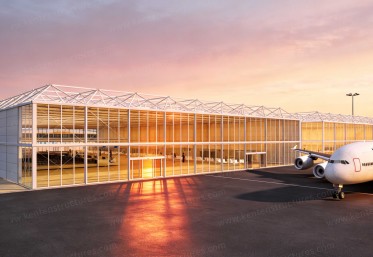
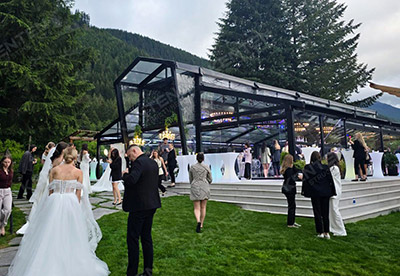
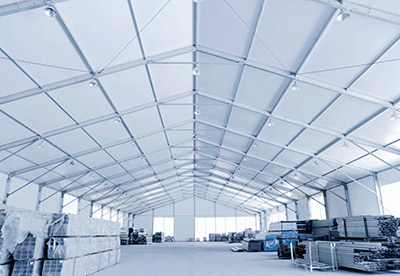
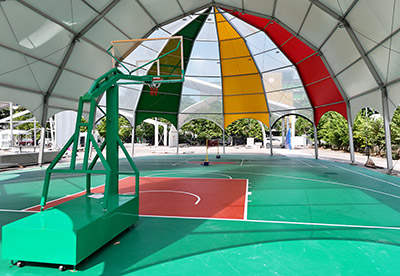
Whether for an exhibition hall, a sports venue, or industrial storage, the marriage of membrane and metal defines the future of modular architecture.
The engineering advice provided in this article is based on general structural knowledge and is for reference only. For specific projects, please consult a certified structural engineer first.