Home » Expanding Horizons with Modern Temporary Tent Structure Applications
Expanding Horizons with Modern Temporary Tent Structure Applications
June 16, 2026
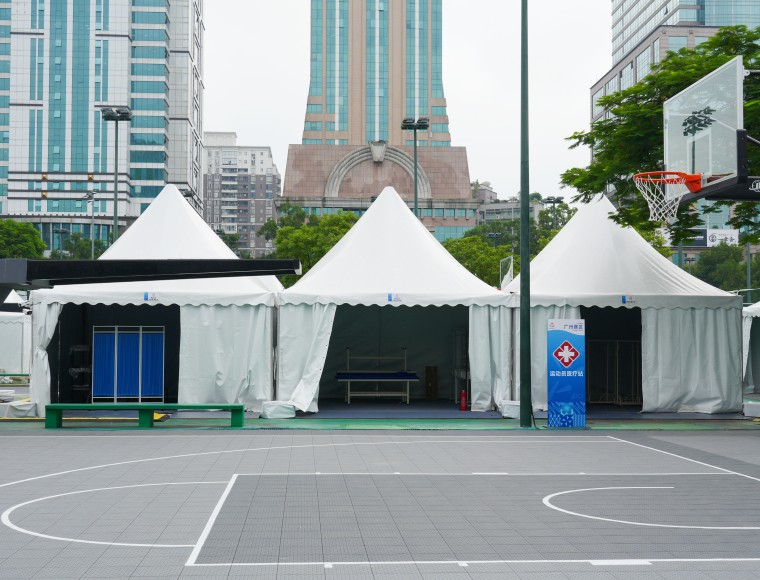
The architectural landscape is shifting toward agility and efficiency. Temporary tent structure applications have evolved far beyond basic shelters, becoming sophisticated engineering feats that serve diverse sectors. Today, organizations require space that adapts to fluctuating demands without the heavy commitment of traditional masonry.
Whether for a high-stakes corporate gala or a critical industrial storage need, the versatility of these systems provides a strategic edge. Modern modular designs allow for rapid deployment while maintaining the structural integrity expected of permanent facilities. This fusion of mobility and strength defines the current era of modular infrastructure.
Why Are Modular Structures Replacing Permanent Buildings?
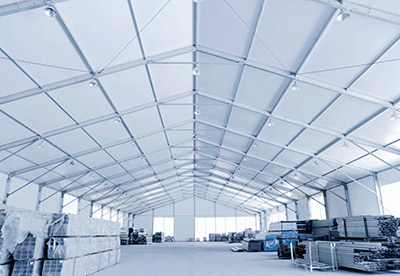
Traditional construction is often slow, expensive, and rigid. Many businesses now opt for clear span metal buildings because they offer immediate relief for space constraints. These structures eliminate the need for internal support pillars, maximizing every square inch of usable floor area.
Financial flexibility is a primary driver. Leasing or purchasing a modular system involves lower upfront capital compared to concrete structures. Furthermore, the ability to dismantle and relocate the asset ensures that the investment retains value even as site requirements change.
How Do Environmental Factors Influence Design?
Engineering for extreme conditions is no longer optional. Temporary tent structure applications must withstand significant wind loads and snow accumulation in varied climates. High-strength aluminum alloys, specifically 6061-T6 and 6082-T6, provide the necessary tensile strength without excessive weight.
Wind Resistance: Engineered to meet ASCE 7-22 and EN 13782 standards.
Thermal Control: Multi-layer, insulated PVC membranes help regulate interior temperatures.
Safety Compliance: Flame-retardant fabrics certified by B1, B2, and M2 standards are mandatory.
What Are the Primary Sectors Utilizing These Solutions?
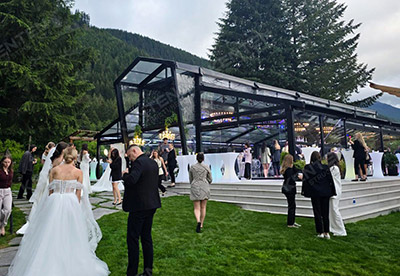
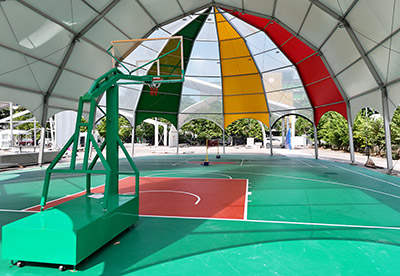
The range of applications is vast, spanning from commercial entertainment to essential public services. In the events industry, triple-decker and double-decker structures provide premium viewing platforms for sports and cultural festivals. These multi-level designs effectively double the footprint in space-restricted urban environments.
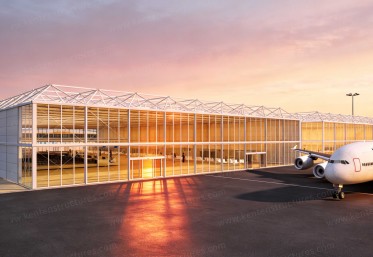
Industrial clients utilize semi-permanent structures for logistics hubs and manufacturing extensions. These “pop-up” warehouses can be equipped with HVAC, power distribution, and custom flooring. Such features create a working environment that is indistinguishable from a conventional office or factory floor.
How Long Can a “Temporary” Structure Actually Last?
The term “temporary” can be misleading in modern engineering. While designed for assembly and disassembly, the materials used are chosen for their longevity. Many systems remain in place for decades, serving as permanent fixtures in industrial parks or as long-term exhibition venues.
KENTEN, a global supplier founded in 2001, exemplifies this focus on durability by producing structures certified to international safety codes like IBC 2024 and CBC 2025. Their manufacturing centers in the USA, China, and the Mid-East ensure that each component meets rigorous quality control benchmarks before delivery.
Feature
Specification
Benefit
Frame Material
6061-T6 Aluminum Alloy
High strength-to-weight ratio; corrosion resistant.
Membrane
Flame-retardant PVC
Safety compliance and weather protection.
Configuration
Modular / Clear Span
Unobstructed interior space and scalability.
Selecting the Right Configuration for Your Site
Choosing a structure requires a deep understanding of both the ground conditions and the intended use. A site survey is essential to determine the anchoring method, whether using steel stakes, weight plates, or expansion bolts. Each method has implications for the structure’s overall stability and wind rating.
Identify the peak occupancy or storage volume required.
Consult local zoning laws regarding semi-permanent installations.
Evaluate the need for specialized accessories like glass walls or rolling doors.
Determine the duration of the installation to choose between rental or purchase.
Can These Structures Support Specialized Technology?
The integration of advanced technology is a hallmark of high-end series. Modern venues often house complex audiovisual arrays, sensitive climate control systems, and heavy-duty lighting rigs. The aluminum frames are engineered to support these additional dead loads without compromising safety.
Customized infrastructure allows for seamless integration of modular flooring and lighting. This level of customization ensures that the interior atmosphere matches the brand identity of the client. From VIP receptions to flagship brand launches, the environment remains professional and highly reliable.
Frequently Asked Questions
Are these structures waterproof?
Yes, the tensioned PVC membranes are designed to be 100% waterproof and UV resistant. Proper installation ensures that drainage systems prevent water pooling on the roof.
Do I need a building permit for a temporary tent?
Requirements vary by jurisdiction. Many regions treat modular structures differently than permanent buildings, often resulting in a faster and simpler permitting process.
Can the structure be expanded later?
The modular nature allows for easy expansion. Owners can add additional bays to increase the length of the structure as their operations grow.
The evolution of temporary tent structure applications has bridged the gap between flexibility and permanence. As industries continue to demand rapid scalability, these modular systems provide a robust, efficient, and sophisticated answer. Investing in high-quality structural solutions ensures that your space can grow alongside your ambitions.
The engineering advice provided in this article is based on general industry knowledge and is for reference only. For specific projects, please consult a qualified structural engineer or local building authorities.


 HIGH-END SERIES
 STRUCTURE TENTS
 ACCESSORIES