Home » Engineering Requirements for Modern Aircraft Tent Structures
Engineering Requirements for Modern Aircraft Tent Structures
June 25, 2026
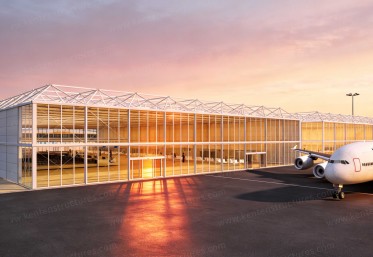
Managing aviation assets requires a balance between accessibility and absolute protection. An aircraft tent structure offers a sophisticated alternative to traditional steel hangars, providing a weather-shielded environment without the lengthy construction timelines typical of masonry buildings.
These modular systems have evolved from simple shelters into engineered facilities capable of housing heavy jets. The versatility of the aircraft tent structure allows operators to deploy maintenance space exactly where flight operations dictate, regardless of remote locations.
Essential Components of High-Performance Aviation Shelters
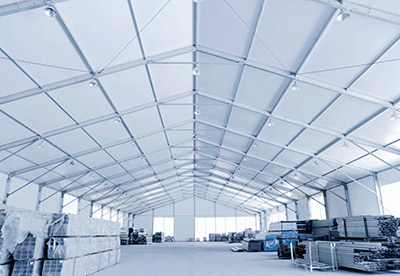
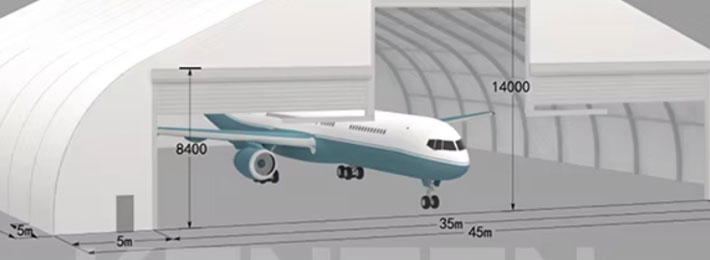
A modern aircraft tent structure relies on a clear-span design to eliminate interior pillars. This architectural choice is non-negotiable for hangars where wing clearance and tail height dictate the movement of expensive machinery.
The primary framework typically utilizes high-strength aluminum alloys, specifically 6061-T6 or 6082-T6. These materials provide a high strength-to-weight ratio, ensuring the skeleton remains rigid under pressure while being light enough for rapid transport.
Standard configurations often include:
Reinforced clear-span aluminum profiles.
Flame-retardant PVC membrane roofs.
Vertical or horizontal insulated sandwich panels for walls.
Heavy-duty track systems for hangar doors.
Structural Integrity and Global Safety Standards
Engineering an aircraft tent structure involves rigorous calculations for wind and snow resistance. In regions prone to extreme weather, the structure must behave like a permanent building while maintaining its modular DNA.
Global manufacturers like KENTEN ensure their structures are produced and fully certified to international codes such as ASCE 7-22 and EN 13782. This certification gives airport authorities the confidence that the temporary venue will withstand specified wind loads without risking the billion-dollar assets inside.
Technical Specification
Standard Requirement
Performance Metric
Framework Material
GB 50429 / EN 755
Aluminum 6061-T6
Membrane Flammability
DIN 4102
B1 / M2 / NFPA 701
Wind Load Capacity
ASCE 7-22
Up to 120 km/h
Snow Load Capacity
Site Specific
Engineered per region
Adapting Modular Geometry to Fleet Variability
Aviation fleets are rarely static, and a fixed hangar can quickly become a bottleneck. The modular nature of an aircraft tent structure allows for longitudinal expansion by adding bays. If a fleet shifts from narrow-body to wide-body aircraft, the structure can often be heightened or widened with minimal disruption to ongoing maintenance schedules.
This adaptability is particularly valuable for MRO (Maintenance, Repair, and Overhaul) facilities. Instead of waiting years for a permanent extension, an operator can install a semi-permanent aircraft tent structure in weeks, bridging the capacity gap during peak demand.
Interior Environment Control and System Integration
Protecting an airframe is about more than just keeping it dry. Humidity control is vital for preventing avionics corrosion and ensuring composite material integrity during sensitive repairs.
Modern aircraft tent structures are designed to integrate seamlessly with industrial HVAC systems. Multi-layer insulated membranes help maintain a stable internal temperature, reducing the energy load required to cool a massive open space in desert climates or heat it in arctic environments.
Considerations for internal system deployment include:
Integrated power distribution for specialized tools.
High-intensity LED lighting systems for night-shift maintenance.
Fire suppression systems compliant with local aviation safety laws.
Specialized flooring to handle the point loads of heavy landing gear.
Strategic Implementation and Operational Value
Choosing an aircraft tent structure is often a financial decision as much as a technical one. Traditional construction involves massive capital expenditure and permanent land use, which might not align with short-term leasing contracts at major international airports.
The operational value lies in the speed of deployment. A structure can be shipped in standard containers and erected using local labor under the supervision of a specialized engineer. This logistical efficiency turns a complex construction project into a manageable equipment installation.
Frequently Asked Questions About Aviation Structures
How long does an aircraft tent structure last?
While categorized as temporary or semi-permanent, the aluminum framework can last several decades with proper maintenance. The PVC fabric covers typically require replacement every fifteen to twenty years depending on UV exposure.
Can these structures handle seismic activity?
Yes, the inherent flexibility of aluminum frames and the lower mass of the structure compared to concrete often result in superior performance during seismic events. They “give” with the movement rather than cracking.
Are there size limitations for clear-span hangars?
Modern engineering allows for clear spans exceeding 60 meters. This is sufficient for most regional jets and many wide-body aircraft when combined with specialized tail-cutouts in the hangar doors.
Selecting the right aircraft tent structure involves evaluating the specific wind zone and the intended duration of use. Whether for short-term disaster recovery or long-term hangar overflow, these engineered solutions provide the reliability required in the demanding world of aviation logistics. For long-term reliability, ensure the chosen aircraft tent structure meets the local structural codes and uses high-grade materials for both the frame and the membrane.
The cleaning advice provided in this article is based on general material care knowledge and is for reference only. For any questions, please consult a professional structural engineer first.


 HIGH-END SERIES
 STRUCTURE TENTS
 ACCESSORIES