
Working with a China Structure Tent Manufacturer: What Buyers Actually Need to Know

Sourcing large-span event or industrial structures from overseas sounds risky until you understand what separates a reliable factory from a risky one. A China structure tent manufacturer isn’t just a fabric supplier — it’s an engineering partner responsible for load calculations, alloy selection, and code compliance across climates that range from Gulf sandstorms to European snow. Getting this wrong doesn’t just cost money; it can collapse a roof mid-event.

What Does a China Structure Tent Manufacturer Actually Produce?

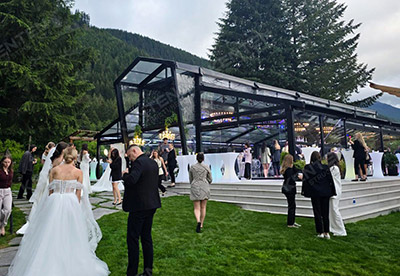
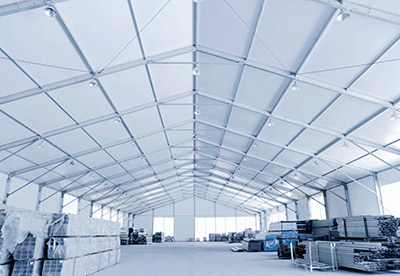
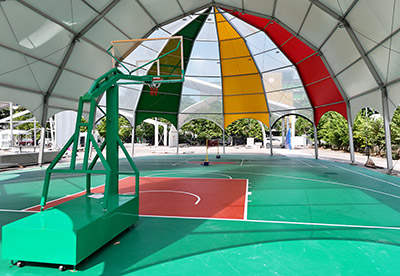
Most people picture a simple canvas tent, but the reality is closer to a modular building system. Manufacturers in this space produce clear-span aluminum structures, double-decker and triple-decker platforms, exhibition halls, sports grandstands, and semi-permanent venues designed to be assembled and disassembled repeatedly without losing structural integrity.

The frame is the real product — the fabric is almost secondary. Aluminum alloys like 6061-T6 and 6082-T6 are chosen specifically because they hold tensile strength after hundreds of assembly cycles, unlike mild steel, which fatigues and corrodes under repeated bolting and weather exposure.

Why Do Buyers Source Structure Tents From China?

Cost is the obvious answer, but it’s not the whole story. Chinese manufacturing hubs concentrate aluminum extrusion, PVC coating, and CNC fabrication within a few hundred kilometers, which shortens lead times that would otherwise stretch across multiple countries.

The less obvious reason is production flexibility. A factory running IBC and GB 50429 certification lines simultaneously can adapt a single frame design for both a Texas wind-load requirement and a Middle Eastern heat-load requirement without retooling from scratch.

How Do You Verify Structural Safety and Certification?

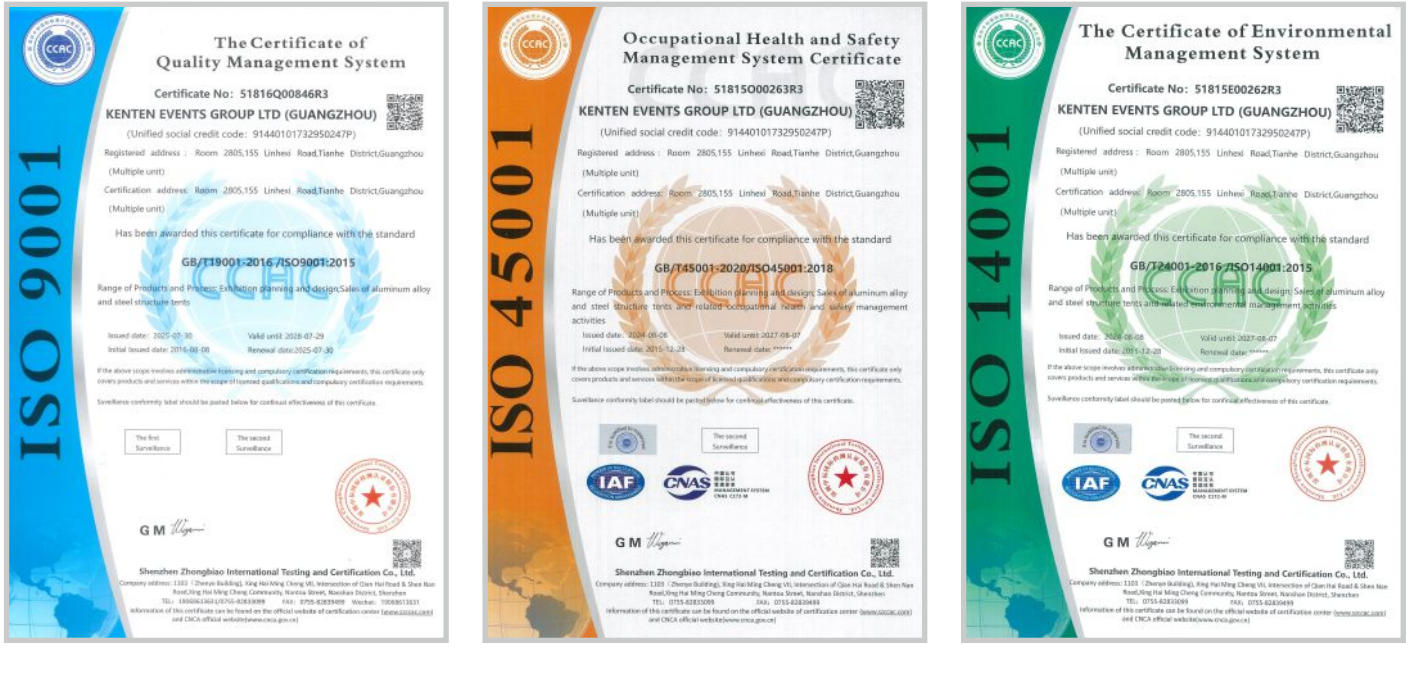
Ask for the specific code the structure was engineered against, not a general “certified” claim. Structural standards vary meaningfully by region, and a tent rated for one jurisdiction may fail inspection in another.

StandardRegionPrimary Concern
IBC / CBCUnited StatesWind and seismic load
ASCE 7-22United StatesLoad calculation methodology
GB 50429ChinaAluminum structural design
EN 13782EuropeTemporary structure safety

Fabric matters too — flame-retardant PVC rated B1, B2, or M2 isn’t interchangeable across countries, since fire codes weigh smoke density and burn rate differently depending on jurisdiction.

What Determines the Cost of a Structure Tent Project?

Span width drives cost more than almost any other factor, because doubling the clear span doesn’t just double material — it multiplies the engineering complexity of the truss system. A 20-meter clear span behaves nothing like a 40-meter one structurally.

Beyond span, four variables shape the final quote:

  • Snow and wind load rating for the installation region
  • Number of decks (single, double, or triple-level structures)
  • Fabric grade and fire certification requirement
  • Installation logistics, including crane access and site terrain

Exact pricing shifts with raw material markets and project scope, so treat any fixed number you see online as a rough reference rather than a quote you can act on.

How Long Does Manufacturing and Shipping Take?

Lead time typically depends on whether the frame is a stock configuration or a custom clear-span design requiring new engineering calculations. Stock frames move faster; custom triple-decker structures with site-specific load analysis take considerably longer.

Shipping adds another variable entirely. Ocean freight to North America or Europe from Chinese ports is standard practice, but buyers should confirm whether the manufacturer has regional assembly support once the structure lands, since aluminum trusses arriving without local installation expertise sit in warehouses far longer than the shipping itself takes.

How Do You Choose Between Suppliers?

The strongest signal isn’t the lowest quote — it’s whether the manufacturer can show certified test reports for the exact alloy and load rating your project needs, not generic marketing brochures. Ask for the mill certificate on the aluminum, not just a product datasheet.

A second signal worth checking: does the company operate manufacturing or support presence in your delivery region, or only in China? For us, maintaining production and technical teams across China, the USA, and the Middle East exists specifically to close that gap between where structures are built and where they’re installed.

Buyers evaluating a China structure tent manufacturer should weigh certification transparency and regional support as heavily as price, since a structure that fails a wind-load inspection after installation costs far more than the savings on the initial quote.

We'll Help You Sort it Out

Kenten quickly provide full scale solution for you