Home » Engineering Excellence in Modular Spatial Solutions The High-Peak Pagoda System
Engineering Excellence in Modular Spatial Solutions The High-Peak Pagoda System
June 21, 2026
Selecting a temporary structure for a professional event involves balancing aesthetic impact with rigorous structural integrity. Many organizers face the challenge of finding a solution that is both visually striking and capable of withstanding unpredictable weather conditions. The pagoda tent has emerged as a preferred choice for those who require a sophisticated architectural profile without compromising on engineering standards.
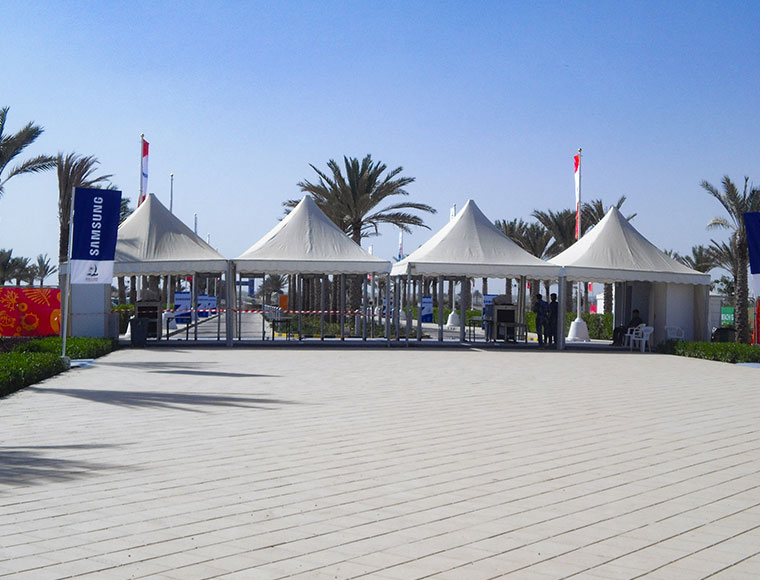
This system is defined by its iconic high-peak roof, which serves as a functional geometry that naturally sheds water and resists wind pressure. Unlike standard flat-roofed temporary shelters, the tensioned pyramid design creates a stable aerodynamic profile. It transforms a simple outdoor space into a premium venue, suitable for VIP receptions, exhibition booths, or high-security checkpoints.
Structural Integrity of Aluminum Alloys
The foundation of a reliable modular structure lies in its metallurgy. The KENTEN Pagoda Tent utilizes hard-pressed extruded aluminum alloy, specifically the 6061-T6 or 6082-T6 grades. These materials are chosen for their exceptional strength-to-weight ratio and natural resistance to atmospheric corrosion.
Engineers favor these alloys because they provide the rigidity required to maintain structural form under wind loads of up to 100 km/h. The frame is further reinforced with hot-dip galvanized steel inserts at critical connection points. This combination ensures that the structure remains stable during long-term outdoor deployment in diverse climates, from coastal humidity to arid heat.
Technical Specifications for Industrial Deployment
A professional structure must be supported by verifiable data. The following table outlines the core technical parameters that define the operational limits of the high-peak system.
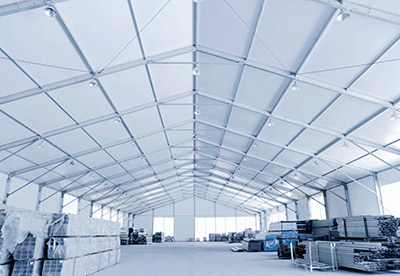
The clear-span design is a critical advantage for interior planning. By eliminating internal support columns, the entire footprint remains usable. This allows for unobstructed floor plans, which is essential for maximizing booth capacity in exhibitions or ensuring smooth traffic flow at security gates.
Advanced Membrane Technology
The protective envelope of the pagoda tent is engineered for more than just aesthetics. The heavy-duty PVC-coated fabric is treated to be UV-resistant and flame-retardant according to international standards such as DIN 4102 B1 and M2. This ensures that the interior remains cool under direct sunlight while providing a safe environment for occupants.
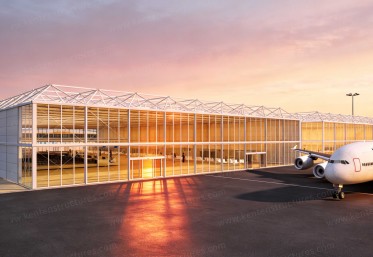
The fabric’s opaque properties are particularly valuable for brand activations and media centers, where controlled lighting is necessary. Furthermore, the modular nature of the walls allows for the integration of glass panels, ABS solid walls, or climate control systems. This versatility enables the structure to transition from a basic shade canopy to a fully insulated, premium temporary building.
Solving Operational Challenges in the Field
Logistical efficiency is often the deciding factor in project success. Modular pagoda systems are designed for rapid assembly with minimal labor requirements. A standard unit can typically be erected in a few hours, reducing on-site preparation time and operational costs.
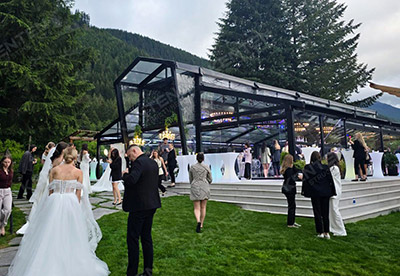
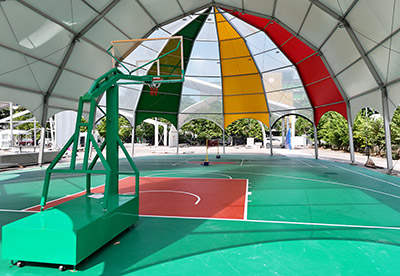
Whether deployed for a sports festival or a corporate gala, these structures solve the problem of creating immediate, high-quality space in locations where permanent construction is unfeasible. They offer the reliability of a permanent building with the flexibility of a mobile asset. This makes the pagoda tent an indispensable tool for organizations that manage dynamic, high-stakes events.
FAQ: Technical Inquiries and Considerations
How does the structure handle uneven terrain?
The system supports multiple anchoring options, including expandable bolts for concrete, ground anchors for soil, and weight plates for surfaces where drilling is prohibited.
Can multiple units be integrated?
Yes, pagoda structures are designed to be linked together using specialized rain gutters. This allows for the creation of larger, interconnected spaces while maintaining a cohesive architectural look.
What is the maintenance requirement for long-term use?
The aluminum frame requires minimal maintenance due to its anti-corrosive properties. Periodic cleaning of the PVC fabric and inspection of the tensioning systems are recommended to ensure longevity.
KENTEN is recognized worldwide for reliability, innovation, and craftsmanship, delivering tailored structural solutions for government organizations and industrial clients. By prioritizing engineering precision over marketing jargon, the pagoda tent remains a benchmark for excellence in the global temporary structure industry.


 HIGH-END SERIES
 STRUCTURE TENTS
 ACCESSORIES