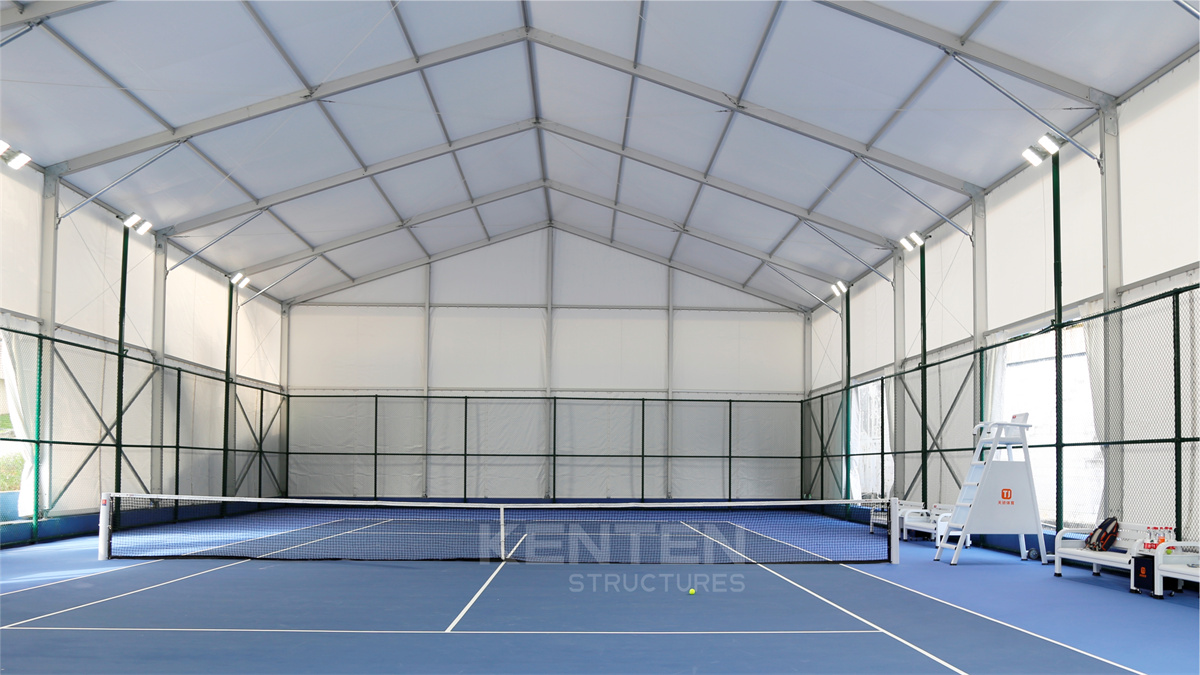

With the increasing demand for flexible building and industrial solutions, clear span tent structures became popular thanks to their flexibility, strength, and ability to provide a spacious unobstructed interior area.
Being one of the leading manufacturers of column-free buildings and tent systems, KENTEN STRUCTURES focuses on delivering engineered solutions that combine precision design with reliable production standards. Understanding how a clear span tent factory operates helps clients better appreciate the value behind every structure.
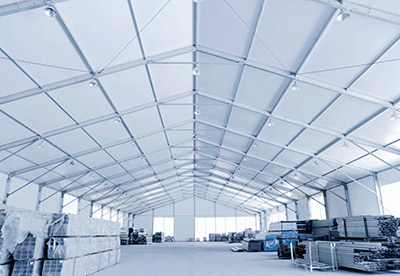
A clear span tent factory is a special facility that creates large-scale tent systems that do not require internal supporting columns and rely on aluminum frames and tensioned fabric roofs and walls.
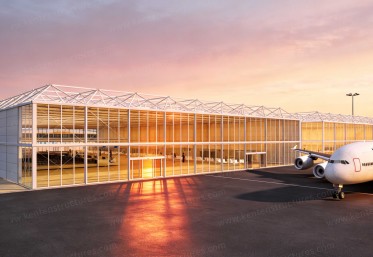
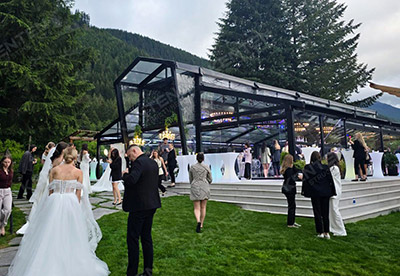
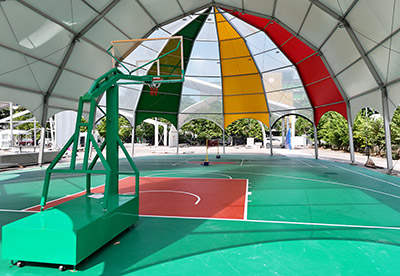
Unlike traditional buildings, clear span tents use a modular design, which means that their width, length, and height can be customized according to specific project needs. They can be used for exhibition halls, warehouses, sports facilities, emergency shelters, and industrial storage purposes.

Firstly, clear span tents require the creation of an engineered design that will consider the particularities of a location. The engineers should take into account load characteristics such as wind and snow loads, environmental conditions, etc.
The factory uses advanced CAD-aided design software and structural simulation software to optimize the stability of the frame structure and the efficiency of material utilization. It allows designing the most durable yet affordable clear span structures.
The customization stage is also necessary since the tent systems can be customized regarding various aspects – different roof styles, sidewalls and entrance systems, insulation, etc.
To create reliable tent structures, the clear span tent factory should use first-rate materials. High-grade aluminum alloys can be selected as an option due to their strength, low weight, and corrosion resistance.
Aluminum frames should be extruded and shaped with high-precision CNC machine tools. All the parts are tested before being assembled.
Apart from aluminum frames, tent structures require high-quality fabric systems made of PVC-coated polyester or PVDF membranes. They guarantee high-quality protection from rain and ultraviolet radiation, as well as fire resistance.
The membrane production stage involves precise cutting and high-frequency welding. Automated cutting machines ensure accuracy in pattern design, while heat-sealed welding technology guarantees airtight and waterproof seams.
We implement strict quality control measures to ensure that the products maintain excellent tensile strength and durability even under extreme weather conditions. Every fabric panel undergoes rigorous inspection before final assembly, with the aim of preventing defects and guaranteeing the products have a long service life.
At the next stage, the components are pre-assembled to check whether everything fits well. This procedure helps to avoid any issues associated with the installation process.
Moreover, strict control standards should be followed during the entire production cycle. This process includes material testing, load testing, and surface treatment inspection. Only components that have undergone full certification are approved for delivery.
After the pre-checks and inspections are carried out, the tent components are packed. A clear span tent factory must ensure that every part is labeled and protected to prevent damage during shipping.
KENTEN STRUCTURES also provides technical installation guidance and on-site support when required. This ensures that clients can complete installation efficiently and safely, regardless of project scale or location.
A professional clear span tent factory is more than just a production facility—it is a complete engineering system that integrates design, manufacturing, and quality assurance. At KENTEN STRUCTURES, every project reflects a commitment to strength, flexibility, and long-term performance.

With advanced manufacturing capabilities and strict quality control, clear span tent solutions continue to redefine modern space usage across industries worldwide.