Home » Engineering Standards and Structural Integrity of Large Tent Structures
Engineering Standards and Structural Integrity of Large Tent Structures
May 18, 2026
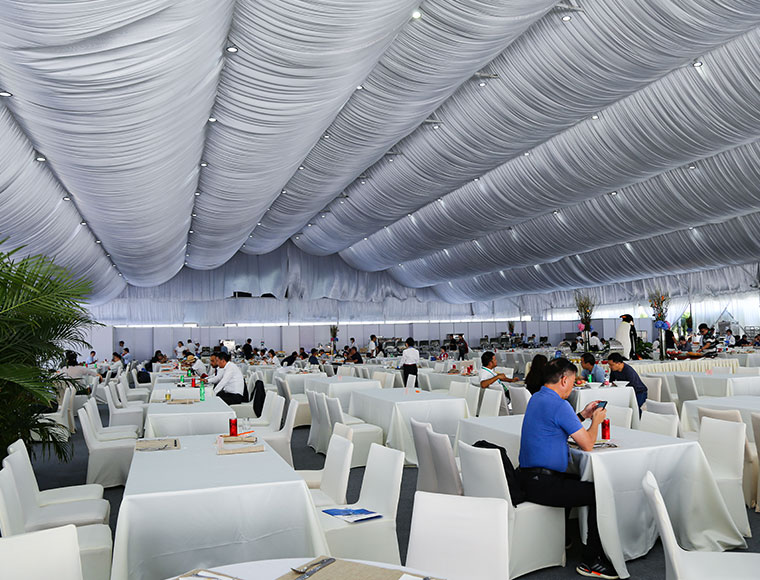
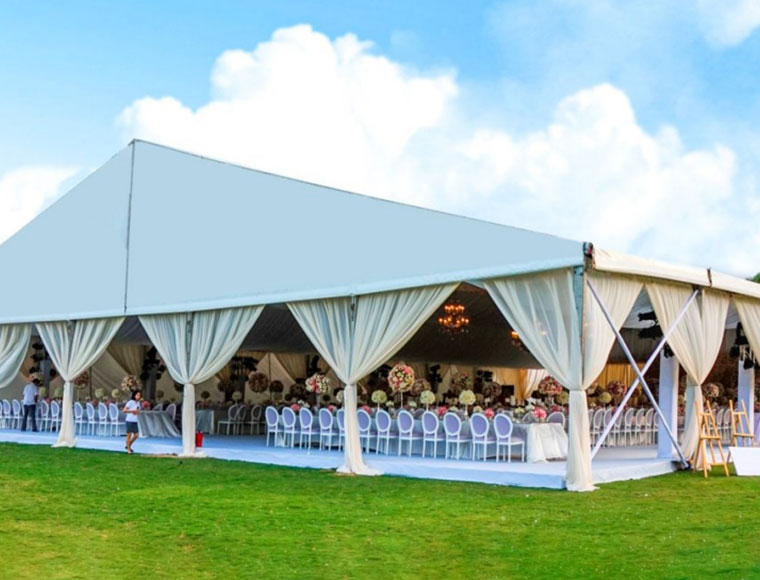
Architecture often prioritizes permanence, yet the true test of engineering lies in adaptability. The modern large tent structure represents a profound shift in how we define spatial boundaries. Far from being simple canvas shelters, these systems function as sophisticated, clear-span engineered environments. They challenge the traditional dichotomy between permanent masonry and temporary installations.
In high-stakes industrial zones or elite sporting backdrops, these structures match the rigorous performance metrics of traditional real estate. They do so while retaining the liberating ability to disappear without a trace once their purpose is fulfilled.
Core Materials and Load-Bearing Capacity
At the heart of this structural revolution is the choice of metallurgy. Heavy-duty applications demand materials that reconcile strength with transportability. Extruded aluminum alloys, specifically 6061-T6 and 6082-T6, form the skeleton of these advanced systems. The T6 temper signifies solution heat-treated and artificially aged metal. This metallurgical process alters the grain structure, yielding a tensile strength that rivals mild steel at a fraction of the weight.
When wind forces hit a wide-span profile, the frame acts as a dynamic matrix. It dissipates kinetic energy through calculated elasticity rather than brittle resistance. Compliance with strict international protocols such as ASCE 7-22, IBC 2024, and EN 13782 ensures these frames withstand immense localized pressures. Engineers calculate specific snow loads and wind velocities, ensuring the structural calculus accounts for unexpected environmental anomalies. It is a quiet victory of material science over raw mass.
Modular Architecture and Installation Mechanics
Traditional construction is additive and permanent, whereas modular architecture is sequential and reversible. The engineering of clear-span systems relies on standardized bay increments. This design allows a structure to expand linearly to any required length without compromising structural stability. The physics of the portal frame ensure that loads are transferred efficiently down the vertical legs to the base connections.
Consider the high-pressure environment of an elite motorsport event, such as the Miami Grand Prix. Specialized suppliers like KENTEN deploy multi-level, double-decker structures directly adjacent to the racetrack. Here, assembly windows are measured in hours, yet structural tolerances are absolute. Technicians secure precision-machined connection joints using high-tensile steel pins. This eliminates the need for field welding or destructive anchoring. The resulting structural rigidity supports heavy interior fit-outs, including large HVAC units, extensive power grids, and dense crowds of VIP spectators.
Weatherproofing and Fabric Technology
If the aluminum framework provides the bone structure, the architectural membrane serves as the protective skin. Modern enclosures utilize multi-layer, PVC-coated polyester fabrics that go far beyond basic weatherproofing. These materials must achieve strict flame-retardant certifications, including European M2 and North American B1 standards, to ensure safety under intense operational conditions.
The outer surface is often treated with a specialized polyvinylidene fluoride (PVDF) lacquer. This coating utilizes a microscopic self-cleaning mechanism. Rainwater does not merely wet the fabric; it forms beads that roll down the slope, collecting airborne dust and pollutants along the way. This prevents structural degradation from UV exposure and maintains thermal equilibrium within the interior.
By reflecting solar radiation, the insulated membrane reduces the cooling load required by interior climate control systems. In effect, this transforms a temporary fabric roof into an energy-efficient thermal barrier.
Foundation Adaptability across Terrains
This adaptability allows a sophisticated, semi-permanent large tent structure system to achieve structural equilibrium on almost any terrain, ensuring safety without altering the topography permanently. The engineering achieves a rare balance: delivering high-performance architectural spaces that respect the impermanence of their physical placement.、
When working on delicate turf, asphalt, or loose sand, alternative engineering solutions become necessary. Penetrating steel earth stakes pierce the ground at precise angles to maximize shear resistance. Alternatively, integrated weight-distribution platforms using heavy concrete ballast plates provide non-destructive anchoring. This approach preserves underlying infrastructure, such as subterranean utility lines or historic paving.
This adaptability allows a sophisticated, semi-permanent large tent structure system to achieve structural equilibrium on almost any terrain, ensuring safety without altering the topography permanently. The engineering achieves a rare balance: delivering high-performance architectural spaces that respect the impermanence of their physical placement.


 HIGH-END SERIES
 STRUCTURE TENTS
 ACCESSORIES