Home » Engineering Criteria and Structural Advantages of Semi-Permanent Tents
Engineering Criteria and Structural Advantages of Semi-Permanent Tents
June 4, 2026
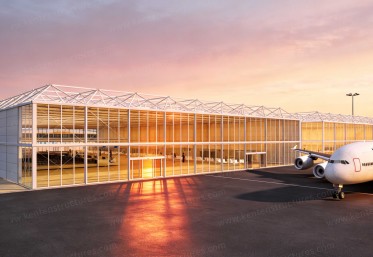
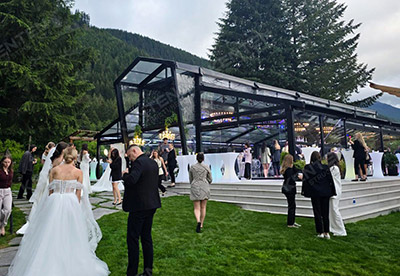
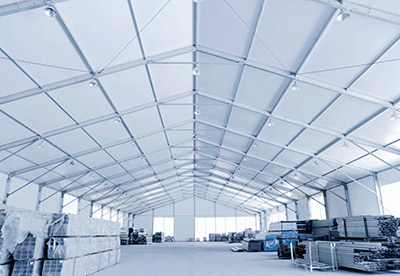
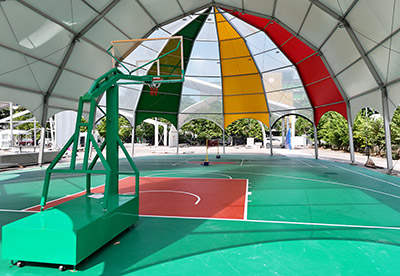
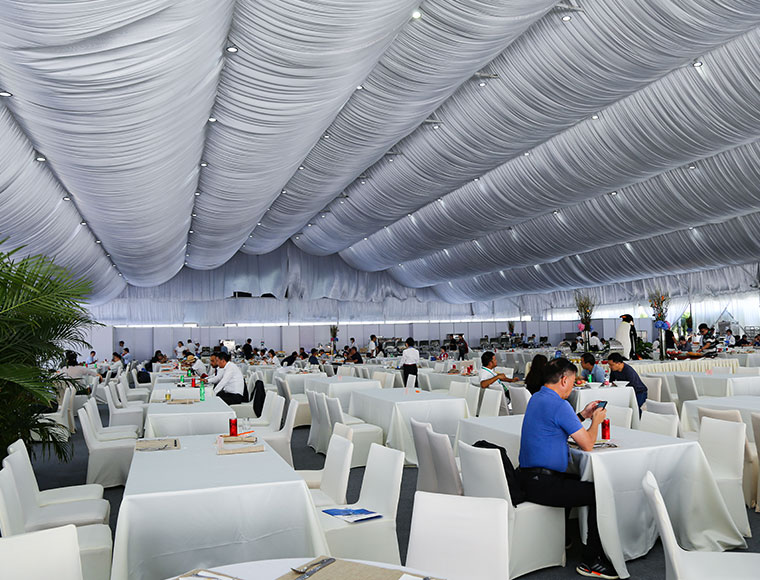
Architecture has long been obsessed with permanence, yet stone and concrete carry an inherent rigidity that modern industry can no longer afford. The rise of the semi permanent tent structure represents a fundamental shift in spatial engineering, blending the rapid deployment of temporary shelters with the structural integrity of conventional buildings. These are not merely shelters; they are sophisticated clear-span metal buildings engineered to challenge the traditional dichotomy between the transient and the fixed. By utilizing advanced metallurgy and flexible membranes, these engineering marvels redefine operational agility for industrial logistics, high-end events, and civic infrastructure worldwide.
Regulatory Compliance and Wind Load Standards
To understand the modern semi-permanent tent structure, one must look beyond the canvas to the rigorous mathematical frameworks that govern its existence. These systems are engineered to satisfy the same stringent building codes that dictate the design of permanent steel skyscrapers. Compliance is not optional; it is the threshold where raw materials transform into reliable infrastructure.
Standard Reference
Focus Area
Engineering Application
ASCE 7-22 / IBC
Minimum Design Loads
Dictates wind speed resistance up to 120 km/h and localized snow accumulation calculations.
GB 50429
Aluminum Code
Governs the structural safety, stress limits, and load combinations for aluminum alloys.
EN 13782
Temporary Structures
Defines European safety requirements for mobile, demountable fabric structures.
DIN 4102 B1 / M2
Fire Safety
Ensures self-extinguishing capabilities and flame retardancy of the envelope material.
When a severe weather front hits an open-span metal building, the structural envelope experiences intense dynamic pressures. Under standards like ASCE 7-22, engineers calculate localized uplift forces at the eave joints and ridge lines, where wind speed accelerates over the roof profile. The structure must distribute these forces down to the foundation without sacrificing geometric stability.
The integration of multi-layer, insulated PVC membranes further ensures that thermal performance and acoustic dampening match traditional commercial spaces. This allows the interior environment to host complex HVAC systems and sensitive power distribution networks safely.
Foundation Flexibility and Ground Anchoring Systems
The true brilliance of a high-end semi-permanent tent structure lies in its interface with the earth. Traditional architecture demands deep, destructive concrete footings that permanently alter the landscape. In contrast, modular aluminum structures employ a philosophy of adaptation, achieving immense pull-out resistance through precision-engineered anchoring systems tailored to the specific geology of the site.
On flat industrial concrete slabs, mechanical expansion bolts or chemical anchors secure the heavy-duty aluminum baseplates, transferring shear and uplift forces directly into the existing raft foundation. When deploying on asphalt or compacted soil, the system utilizes segmented steel earth stakes driven at precisely calculated angles to create a subterranean friction matrix. For sensitive urban plazas or ecological reserves where ground penetration is strictly prohibited, engineers deploy integrated heavy ballast weight systems. This engineering flexibility ensures zero legacy damage to the site, allowing a multi-level structure or exhibition hall to vanish after months of operation, leaving the surface exactly as it was found.
Material Durability and Weatherproofing Mechanisms
The longevity of these modular buildings is a direct result of advanced materials science. The skeletal framework relies heavily on structural aluminum alloys, specifically 6061-T6 or 6082-T6. These materials undergo rigorous artificial aging processes to achieve an optimal strength-to-weight ratio, ensuring the profiles resist cyclic fatigue and high structural loads while remaining light enough for rapid transport and assembly.
The outer skin is equally sophisticated, utilizing high-tenacity polyester base scrims coated with PVC and finished with a PVDF fluoropolymer topcoat. This outer membrane acts as a chemical shield, reflecting ultraviolet radiation that would otherwise degrade the polymer chains beneath. The molecular density of the PVDF layer creates a low-surface-energy face, causing rainwater to bead and wash away atmospheric soot, dust, and industrial pollutants naturally. This self-cleaning mechanism prevents long-term discoloration and material breakdown. Inside, the clear-span environment remains entirely dry and thermally regulated, delivering reliable, high-standard architectural performance that easily bridges the gap between temporary utility and permanent quality.
Ultimately, the deployment of a semi permanent tent structure offers industries a calculated departure from the high capital expenditures and slow timelines of traditional construction. Brands like KENTEN structure these solutions with high-strength aluminum frames and certified engineering compliance, proving that temporary architecture can deliver uncompromised safety and sophisticated environmental control. Space is no longer a fixed asset; it is a dynamic resource capable of expanding precisely when and where it is required most. A semi permanent tent structure transforms how we think about space.


 HIGH-END SERIES
 STRUCTURE TENTS
 ACCESSORIES