Introduction: KENTEN Pyramid Structure Tents for the Middle East Market
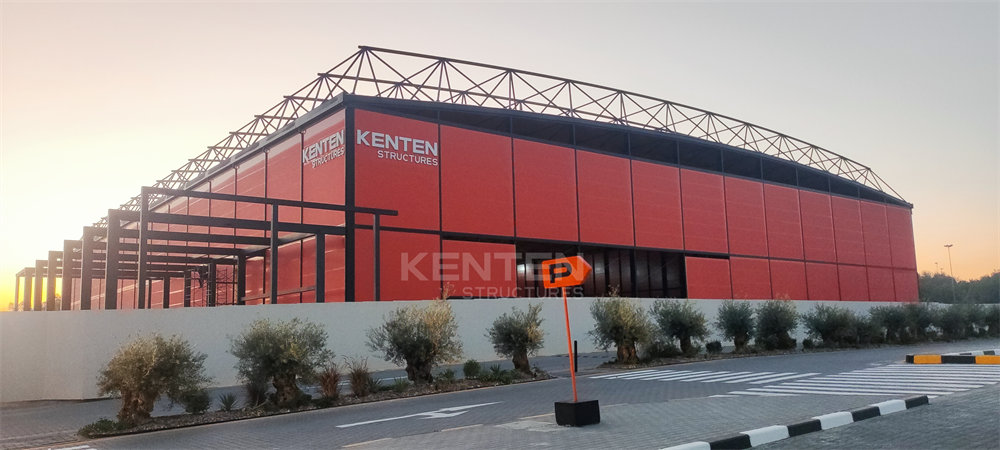
KENTEN Pyramid Structure Tents represent a higher level of modular aluminum engineering available for large-span applications. Built on a 3D space frame roof system composed of pyramidal modules, these structures are specifically engineered to perform in demanding environments where scale, climate resilience, and architectural impact are equally critical.
In the Middle East, where projects often involve extreme temperatures, high solar loads, and fast-track delivery schedules, pyramid structure tents provide a proven alternative to conventional steel buildings. By distributing loads through multi-directional nodes rather than linear trusses, the structure achieves superior stability under wind loads while maintaining expansive, column-free interiors.
From international exhibitions and sports pavilions to cultural initiatives and brand showcases, KENTEN Pyramid Structure Tents are designed to bridge the gap between permanent architecture and temporary construction. They deliver the spatial performance and visual authority expected of landmark buildings, combined with the speed, flexibility, and relocatability required in today’s Middle East project environments.
What Is a Pyramid Structure Tent?
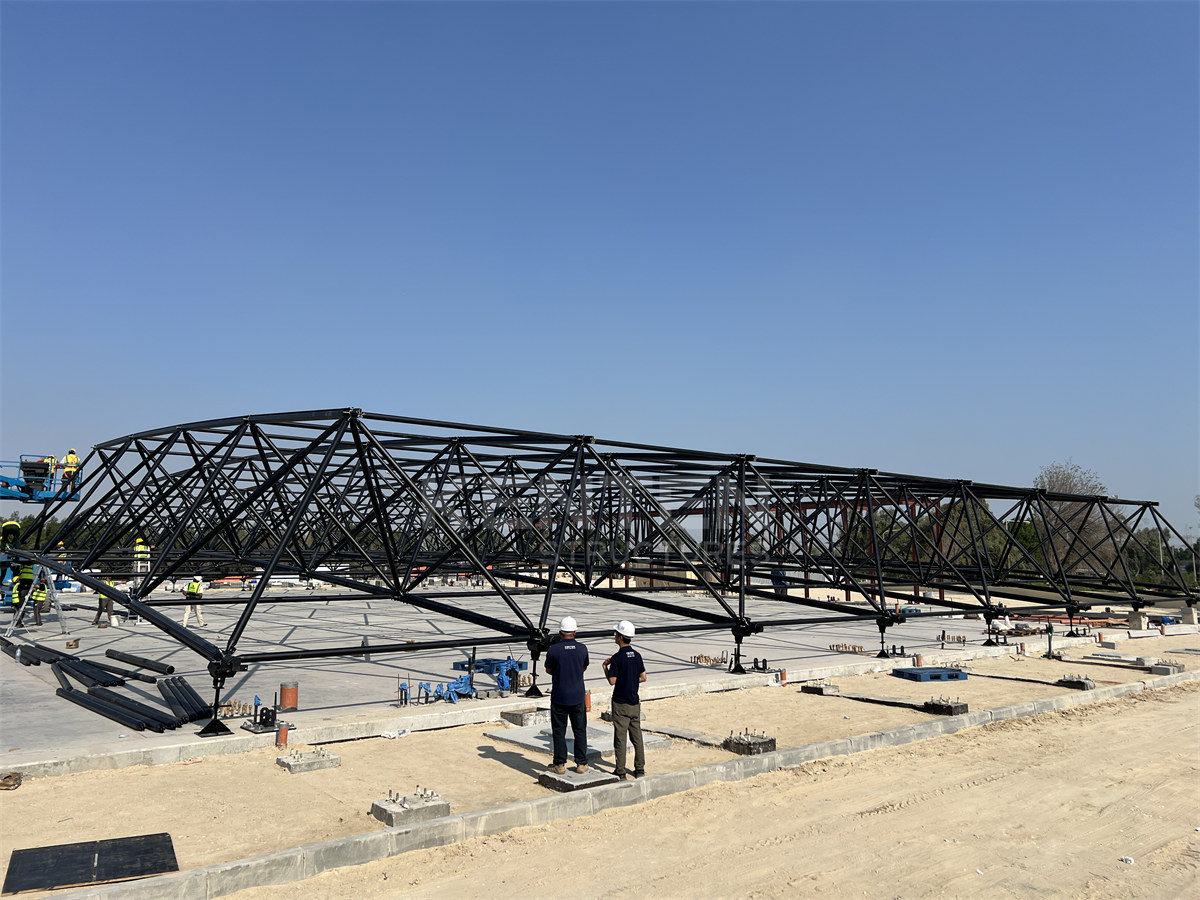
A pyramid structure tent—also referred to as a grid roof tent or space frame tent—is a modular building system utilizing a 3D aluminum space frame roof. The roof is composed of standardized pyramid-like modules connected at nodes, forming a rigid and self-stabilizing structural grid.
Key structural characteristics include:
6061/T6 high-strength aluminum alloy framework
Space frame roof system with multi-directional load paths
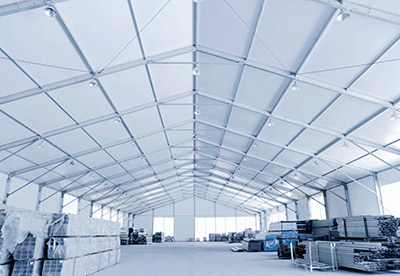
Large clear-span interiors with no internal columns
Modular bay widths and lengths for scalable layouts
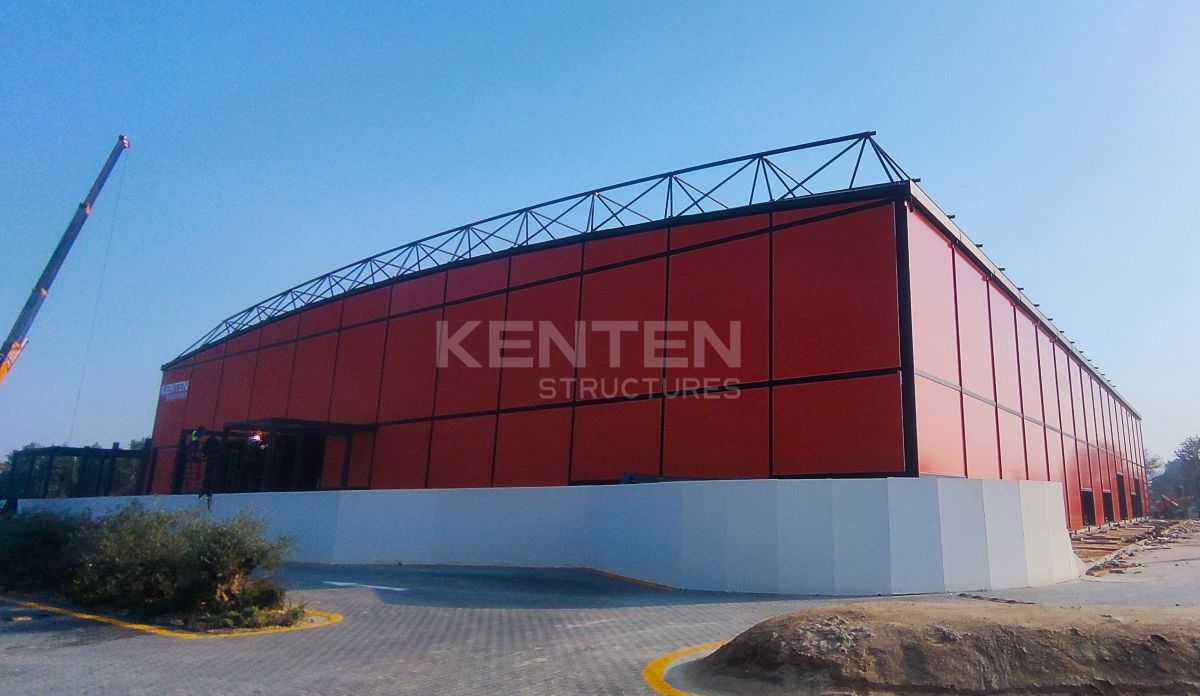
Compatibility with PVC membrane, sandwich panels, or full glass facades
Suitable for temporary, semi-permanent, and long-term installations
Engineering Principles Behind the KENTEN Pyramid Structure Tents
The defining advantage of a pyramid structure lies in its space frame geometry. This engineering principle is particularly critical in Middle East applications, where wind events, thermal expansion, and suspended equipment loads must be carefully managed.
Key engineering benefits include:
Uniform load distribution across the entire roof surface
Reduced member sizes without compromising structural strength
High stiffness-to-weight ratio, optimizing transport and installation
Excellent resistance to dynamic wind loads common in open desert and coastal regions
Structural redundancy that enhances overall safety and reliability
For large-span venues requiring heavy lighting grids, audiovisual equipment, LED screens, HVAC systems, and suspended branding elements, KENTEN Pyramid Structure Tents are engineered to accommodate complex load cases while maintaining long-term structural integrity.
The defining advantage of a pyramid structure lies in its space frame geometry. Unlike planar truss systems, a space frame distributes loads 3D, allowing forces to be transferred efficiently to the supports.
Key Benefits of KENTEN Pyramid Structure Tents
From both an engineering and operational standpoint, pyramid structure tents provide a compelling set of advantages:
Large clear spans exceeding those of standard tent systems
High wind and snow load performance due to space frame behavior
Fast installation compared to steel or concrete buildings
Modular and scalable design for phased or expandable projects
Strong architectural presence suitable for flagship venues
Compatibility with insulated walls, glass systems, and climate control
Reusable aluminum components with a service life of 15一20 years
These benefits make pyramid structures particularly suitable for projects where performance, speed, and visual impact must be balanced.
Pyramid Structure Tent vs. Conventional Tent Systems
Pyramid Structure Tent vs. Steel Buildings
While steel buildings remain a permanent solution, pyramid structure tents offer comparable spatial performance with substantially shorter construction timelines and greater flexibility.
Feature
Pyramid Structure Tent
Steel Building
Installation time
Weeks
Several months
Foundation requirements
Light or semi-permanent
Heavy concrete foundations
Relocatability
Yes
No
Design flexibility
High
Moderate
Upfront investment
Optimized for large spans
Higher initial cost
KENTEN Pyramid Structure Tents are widely deployed across the Middle East, supporting both government and private-sector initiatives that demand speed, scale, and architectural presence:
International exhibitions and technology expos
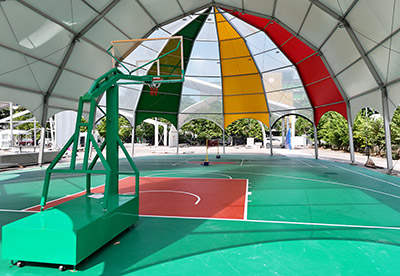
Sports halls, temporary arenas, and training facilities
Government and cultural pavilions
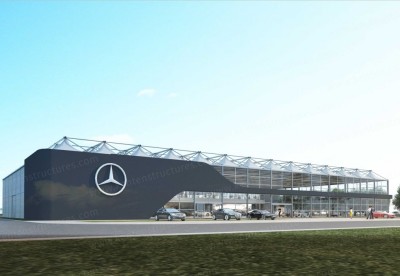
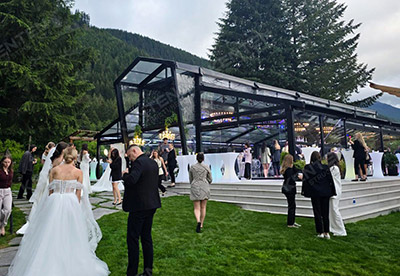
Luxury hospitality and VIP event venues
Brand experience centers and product launch spaces
Semi-permanent public facilities in developing districts
Mega-event infrastructure requiring phased construction
Their modular design allows seamless adaptation to desert environments, urban exhibition grounds, and waterfront developments, while maintaining compliance with regional performance requirements.
Technical Specifications
KENTEN Pyramid Structure Tents could be tailored to any climate and regulatory conditions:
Span range: up to 90m
Eave height: Fully customized to accommodate HVAC and lighting systems
Roof system: Aluminum space frame / pyramid grid structure
Wind load resistance: Engineered up to 120 km/h or higher per project requirements
Thermal performance: Compatible with insulated sandwich panels and reflective roof membranes
Lifespan: 15一20 years for aluminum framework under proper maintenance
Installation surface: Concrete slab, asphalt, or prepared ground All systems are engineered to align with local authority requirements and project-specific environmental conditions.
Frequently Asked Questions
How long does installation take? Depending on size and complexity, installation typically ranges from 15 to 30 days.
Are pyramid structure tents suitable for long-term use? Yes. With appropriate wall systems and regular maintenance, they are suitable for semi-permanent and long-term applications.
Do pyramid structures require permanent foundations? In most cases, light foundations or ballast systems are sufficient.
Can glass facades and insulation be integrated? Yes. Pyramid structures are fully compatible with glass walls, insulated panels, and HVAC systems.
Can these structures meet local building codes? They can be engineered to comply with local wind, snow, and safety regulations.
KENTEN Pyramid Structure Tents represent the most advanced form of modular aluminum construction available for large-span applications. By integrating space frame engineering, climate-adaptive design, and rapid deployment capabilities, these structures provide a high-performance alternative to conventional permanent buildings. Designed to withstand demanding environmental conditions while delivering expansive, column-free interiors, KENTEN Pyramid Structure Tents are ideally suited for terminals, exhibitions, sports facilities, museums, supermarkets, offices, educational institutions, music halls, and hospitality venues where scale, speed, and architectural authority are essential.
As more and more cities continue to invest in global events, cultural infrastructure, and flexible public spaces, KENTEN Pyramid Structure Tents offer a future-ready solution—combining engineering reliability, visual impact, and long-term value.
Contact KENTEN to discuss a customized pyramid structure solution engineered specifically for your project requirements, local regulations, and climatic condition.


 HIGH-END SERIES
 STRUCTURE TENTS
 ACCESSORIES