
Is the Clear Span Fabric Buildings Price Worth the Investment?

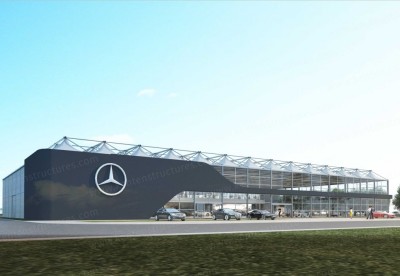
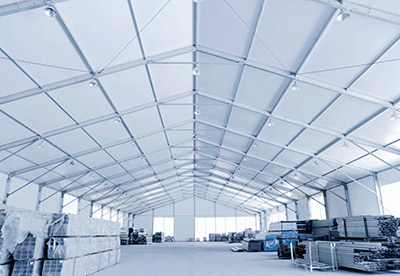
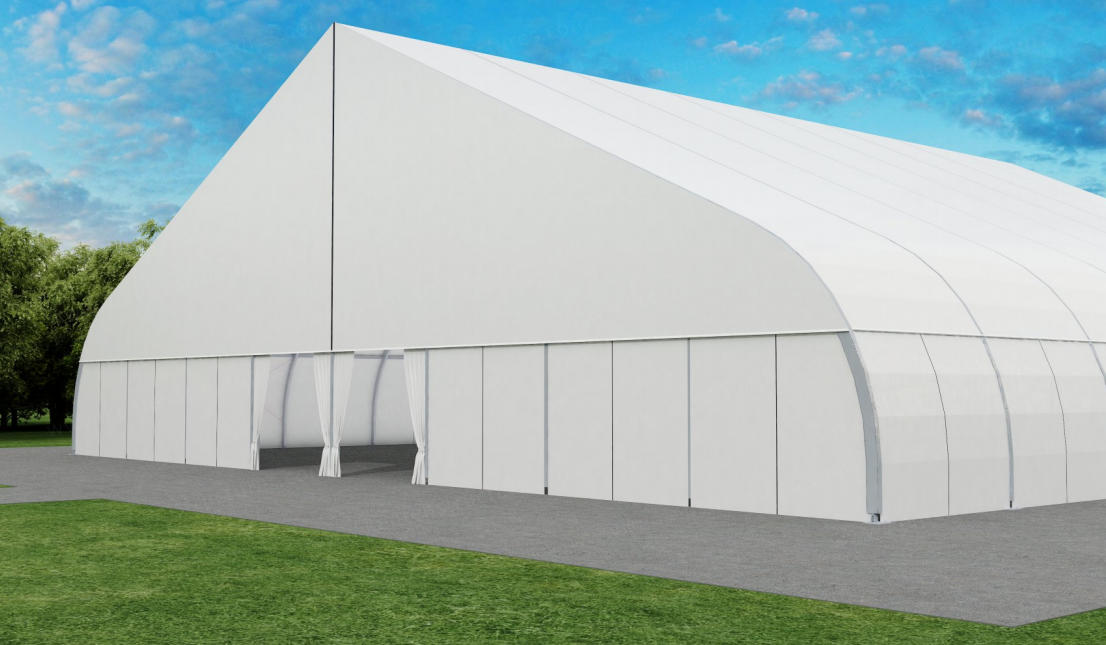
Clear span fabric buildings are gaining in popularity across multiple industries such as agriculture, warehousing, manufacturing, athletic facilities, and even aircraft storage, as their major advantage is that they provide wide column-free interiors to allow for substantial usable space without internal structural obstructions.

Key Factors That Influence Pricing and Value

The price of a clear-span membrane structure building is not fixed; rather, it is determined by numerous interrelated factors. The most obvious factor is the size of the structure; as the dimensions of the building increase, the required quantities of aluminum alloy structural framing and membrane material rise correspondingly, thereby driving up costs.

The intended use of the building significantly influences cost as well; for example, an agricultural building that has a very small amount of insulation may be priced lower than a building that will be used for industrial or commercial purposes, which will require either climate control systems or insulation liners, as well as reinforced flooring. The addition of these options will add to the initial cost of the building but can significantly improve long-term operational efficiency.

The geographical location of the clear span fabric building contributes to its price as well, as wind load, snow load, and seismic requirements can differ significantly from one geographical area to another. Buildings built in geographical areas where loading conditions are extreme require more engineering and, therefore will cost more than buildings built in areas with moderate loading conditions. In addition, site preparation work (such as land leveling, foundation engineering, etc.) will also affect the cost of the project.

Peach Structure Tent

Comparing Costs with Traditional Construction

Compared to traditional buildings, structures featuring a column-free design typically entail lower initial construction costs. Generally speaking, the construction expenses for column-free buildings are lower than those for traditional buildings of equivalent scale. Furthermore, the construction time for column-free structures is usually significantly shorter than that for traditional buildings, thereby reducing labor costs and enabling the facility to be put into operation more quickly.

Since the span of large-span membrane structure buildings can be easily expanded, relocated, or modified, they offer more flexible options.

Long-Term Benefits and Return on Investment

The strongest reason to consider building a clear span fabric structure is the return on investment that it can provide over time. For example, businesses benefit from reduced construction downtime, lower maintenance requirements, and energy-saving upgrades (especially when insulation systems are included). Additionally, the adaptability of clear span fabric buildings allows companies to develop or adapt to operational needs without undertaking major reconstruction projects.

Due to the fact that fabric membranes are specially developed to resist damage from ultraviolet light, as well as corrosion and harsh environmental conditions, companies using clear span fabric buildings generally will have lower ongoing maintenance costs. This durability helps extend the lifespan of a building while minimizing maintenance costs.

Conclusion

Ultimately, whether the clear span fabric buildings price is worth investing in depends on your specific needs and long-term goals. If you prioritize quick construction, cost-effectiveness, and flexible space utilization, these buildings will offer you exceptional value. Although their lifespan may not be as long as traditional buildings, their lower upfront costs and adaptability make them an attractive choice in many commercial and industrial application fields.

Related Articles

We'll Help You Sort it Out

Kenten quickly provide full scale solution for you