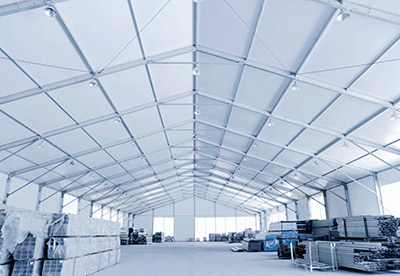

Clear span buildings have become the preferred solution for businesses that need wide, open interior spaces without the obstruction of interior support columns. Installing a clearly span building may seem like a challenging task, but with proper planning, materials and organized execution, this process can be simplified and made more efficient. The following is a complete step-by-step breakdown of how these structures are typically installed, from basic work to the final inspection.
Clear span buildings installation begins with a meticulous planning stage. Firstly, you must identify how you will use the clear span building. This will dictate the size, layout/design, and materials that will be utilised in the construction.
Secondly, assess the installation site. Soil testing may be required to assess the bearing capacity and determine whether additional foundation reinforcement measures are needed. Clear the vegetation, debris and obstacles on the site. Site leveling and slope adjustment are also crucial for ensuring good drainage and foundation contact. After the site is ready, mark the building outline according to the blueprint.
A solid foundation is crucial for the long-term stability of clear span buildings. According to architectural design and local regulations, the foundation may include concrete slabs, piers, peripheral foundations or ground anchors.
The accuracy of the layout is of vital importance, and the anchor points must be perfectly aligned with the structural framework. The concrete foundation requires sufficient curing time before construction can continue. Once the concrete foundation has been sufficiently cured, the main components of the frame can then be secured to the concrete foundation using either anchor bolts or anchor pads.

The frame is the skeleton of any large-span building. These structures typically feature aluminum frames and are designed to span large distances without internal supports. First, assemble the arch or structural truss on the ground. Ensure that all components, beams, rafters, columns and purlins, have been counted and correctly oriented.
Use cranes or telescopic boom forklifts and other lifting equipment to hoist each frame section into position. Fix the frame to the anchor points of the foundation and provide temporary support until all structural components are installed. After aligning the main frame, install secondary frame components, such as purlins and additional purlins, to reinforce the structure.
After the framework is completed, the next step is to install the roof and wall panels. Clear span buildings typically employ metal plates or tensioned membrane structures, depending on their intended use. Start installing from one end of the structure and ensure that each panel is laid according to the specifications. At the same time, the lap joint must be tight and well sealed to ensure weather resistance.
Fasteners should be installed at intervals to maintain structural integrity and prevent being lifted by the wind. For membrane structure buildings, tensioning is a crucial step. Appropriate tensile force can ensure stability and extend the service life of the covering layer.
After the building’s exterior is in place, the next step is to install doors, windows and ventilation systems. Buildings of different uses have different requirements for opening configurations. For industrial or agricultural purposes, large rolling shutters or sliding doors may be needed to accommodate equipment.
The ventilation system is equally crucial. Air conditioning equipment can be installed to effectively regulate indoor temperature, humidity, and air quality. The correct installation and reinforcement of these systems can enhance the safety, comfort, and overall performance of buildings.
The final stage involves inspecting every component of the building, from structural connections to seals. Tighten all fasteners, check the alignment, and confirm that all safety and design standards have been met.
After completing the above inspections, thoroughly clean the interior and exterior surfaces of the building, remove the dust, debris and packaging materials remaining during the construction process, and ensure a clean appearance that is convenient for subsequent use or handover.
Careful installation can ensure that clear span buildings can withstand environmental challenges and provide reliable use for decades. With reasonable planning, skilled workers, and high-quality materials, these multi-functional buildings can fully leverage their advantages of high customizability, high space utilization and low maintenance costs, and efficiently meet various commercial, industrial and agricultural demands.